
Staff to Resident Ratio
Staff to Resident Ratio in Assisted Living
Choosing the right assisted living community often comes down to one important question: What is the staff-to-resident ratio in assisted living? This number directly affects the quality of care, safety, and overall experience for your loved one. At Crown Point Assisted Living, we prioritize both comfort and personalized support by maintaining a balance that ensures no resident ever feels overlooked.
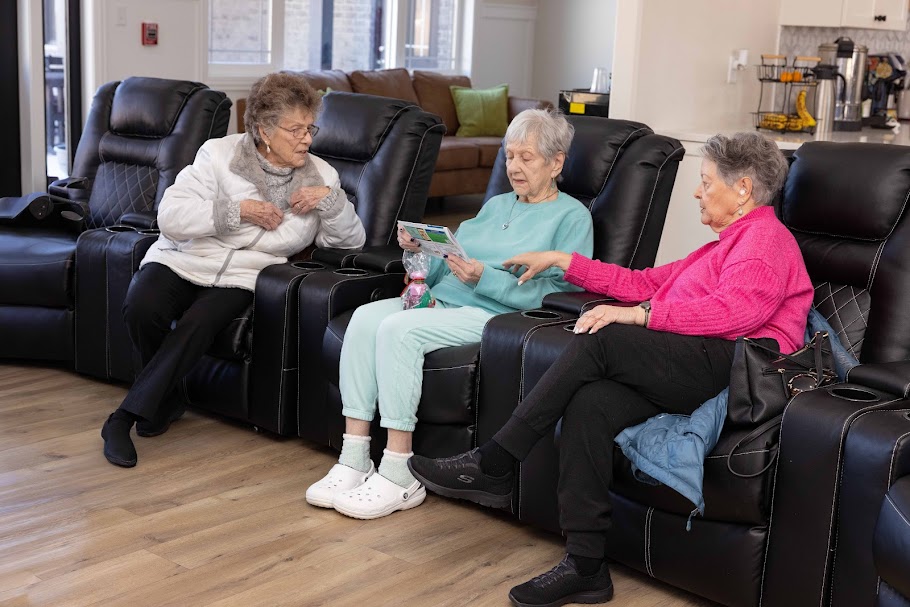
Levels Affect Senior Care Quality
What is Staff-to-Resident Ratio in Assisted Living?
The staff-to-resident ratio in assisted living is the number of caregivers available compared to the number of residents. It shows how many residents each caregiver supports, directly impacting the quality of care, safety, and personal attention residents receive.

Our 1:6 Support Ratio
The Power of Ratios: Why Our 1:6 Caregiver-to-Resident Ratio Sets Us Apart
We maintain a caregiver-to-resident ratio of 1:6, well above the industry average. This ratio allows our caregivers the time and space to provide compassionate, individualized attention—whether it’s assisting with daily routines, offering companionship, or responding quickly in emergencies.
Quality Care Starts
Why Staff-to-Resident Ratios Matter to Families
When choosing assisted living, families often wonder: What is the ratio for care staff to residents?
The answer matters more than you might think. A strong assisted living staff-to-resident ratio impacts:
Safety
Quicker response times during emergencies.
Personalized Care
Caregivers can learn each resident’s routines, preferences, and personality.
Peace of Mind
Families know their loved one isn’t overlooked in a crowded environment.
More staff per resident means more opportunities for meaningful connection, comfort, and daily engagement.
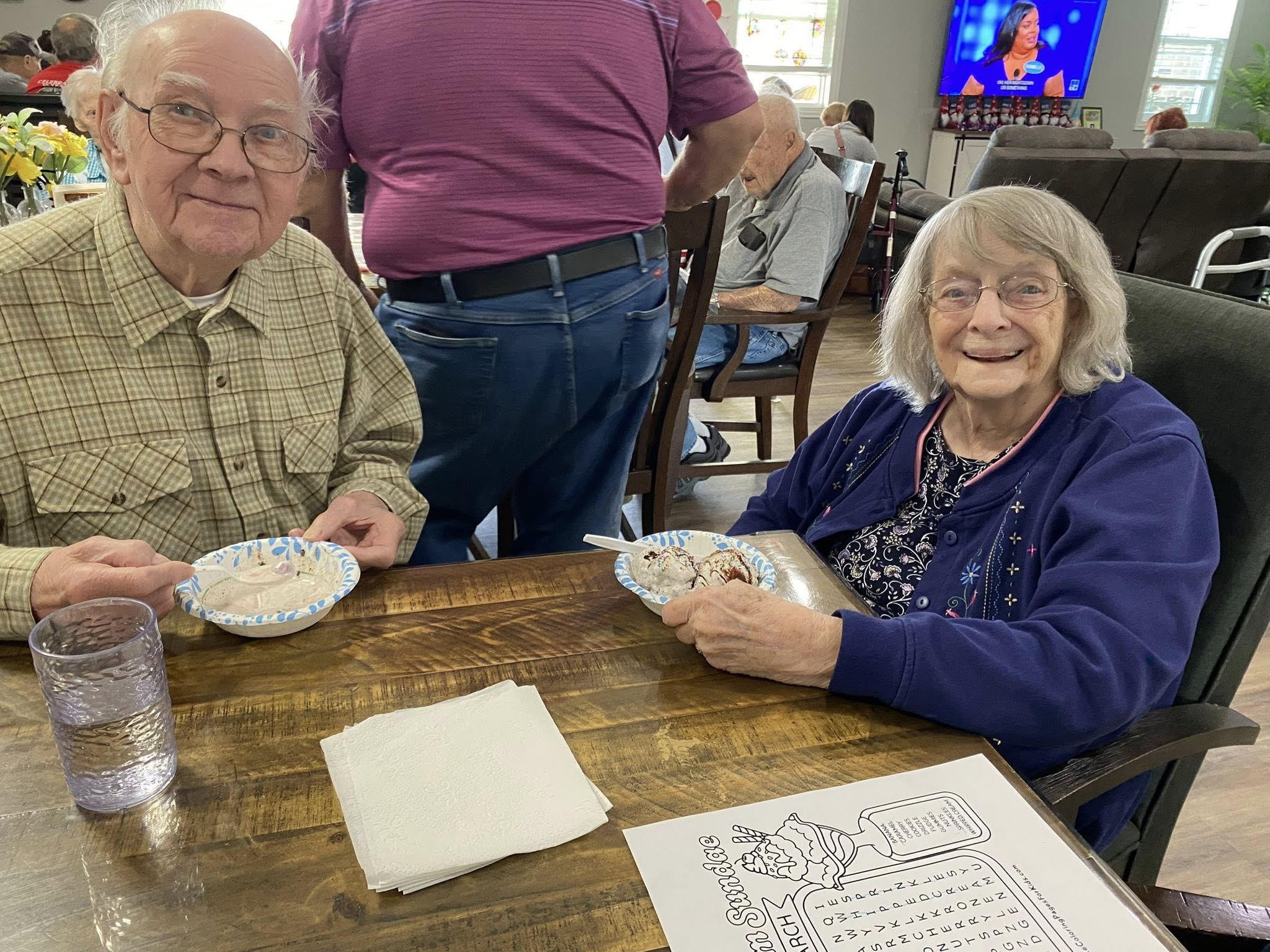
Care Givers
Crown Point’s Assisted Living Commitment: 1 Caregiver for Every 6 Residents
Our promise goes beyond numbers. With a caregiver-to-resident ratio of 1:6, we ensure that every resident is known, valued, and cared for with dignity. From helping with daily routines to providing companionship, our staff have the time to build genuine relationships.
Families often notice the difference immediately: caregivers call residents by name, know their favorite meals, and respond quickly when help is needed.
More Personal Care Through Better Staff Support
Memory Care Ratios: Extra Support for Extra Needs
When it comes to memory care, staffing levels become even more critical. The memory care staff-to-resident ratio directly affects safety, redirection, and emotional reassurance for residents living with Alzheimer’s or dementia.
At Crown Point, we maintain a 1:6 caregiver-to-resident ratio in memory care, meeting or exceeding the standards of specialized care communities. This allows our team to provide the calm, structured, and attentive environment memory care residents require.
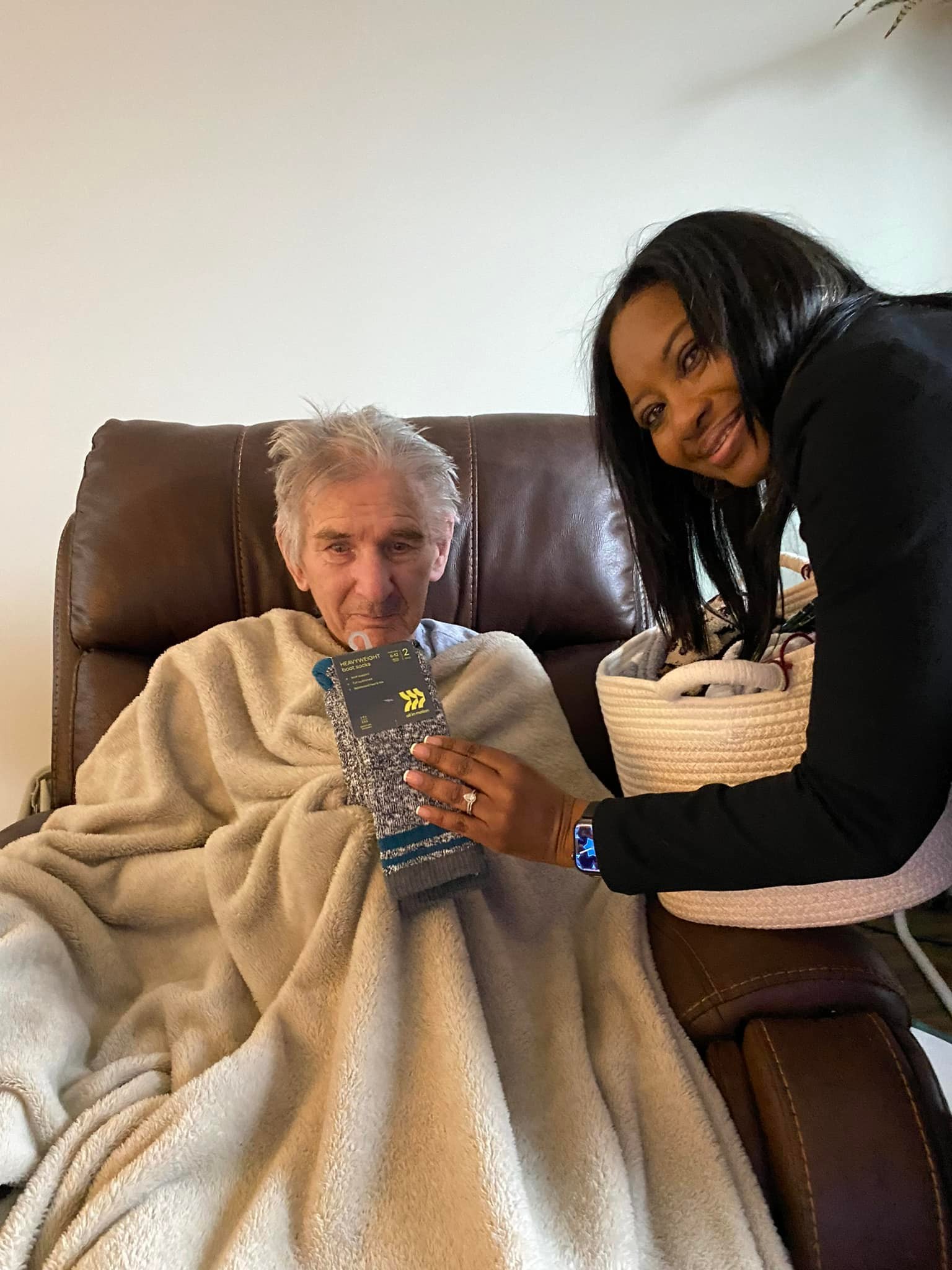
Care Givers
Beyond the Numbers: Training, Quality & Compassion
A favorable ratio is only meaningful when combined with exceptional staff. At Crown Point, our caregivers receive ongoing training in senior care, dementia support, safety procedures, and emergency response. We also partner with licensed nurses and third-party providers to ensure residents’ health needs are met promptly and professionally.
Our staff-to-resident ratio in assisted living isn’t just about staffing numbers — it reflects our philosophy of care: quality, consistency, and compassion.
See the Difference Yourself
Numbers tell one story, but the best way to experience our approach is to visit. Walk our halls, meet our caregivers, and see how our 1:6 staff-to-resident ratio creates a warm, supportive environment where every resident feels valued.
Standard of Personalized Senior Care
Industry Standards vs. Crown Point Assisted Living
Staff-to-resident ratios in assisted living communities vary, and many families don’t realize how big the differences can be.
Here’s what you’ll typically find in the industry compared to Crown Point Assisted Living:
| Setting | Typical Ratio | Our Ratio |
| Assisted Living (Day) | 1:15 - 20 | 1:6 |
| Assisted Living (Night) | 1:30 - 40 | 1:16 |
| Memory Care (Average) | 1:10 - 15 | 1:6 |
That’s significantly fewer residents per caregiver, ensuring your loved one always has access to attentive support.
Tip for families: It’s always a good idea to visit in person to verify what a facility tells you about staffing. For example, at Two Hearts Home, families often remark how easy it is to see the number of caregivers working. At Crown Point Assisted Living, we welcome you to do the same so you can feel confident in the quality of care we provide.
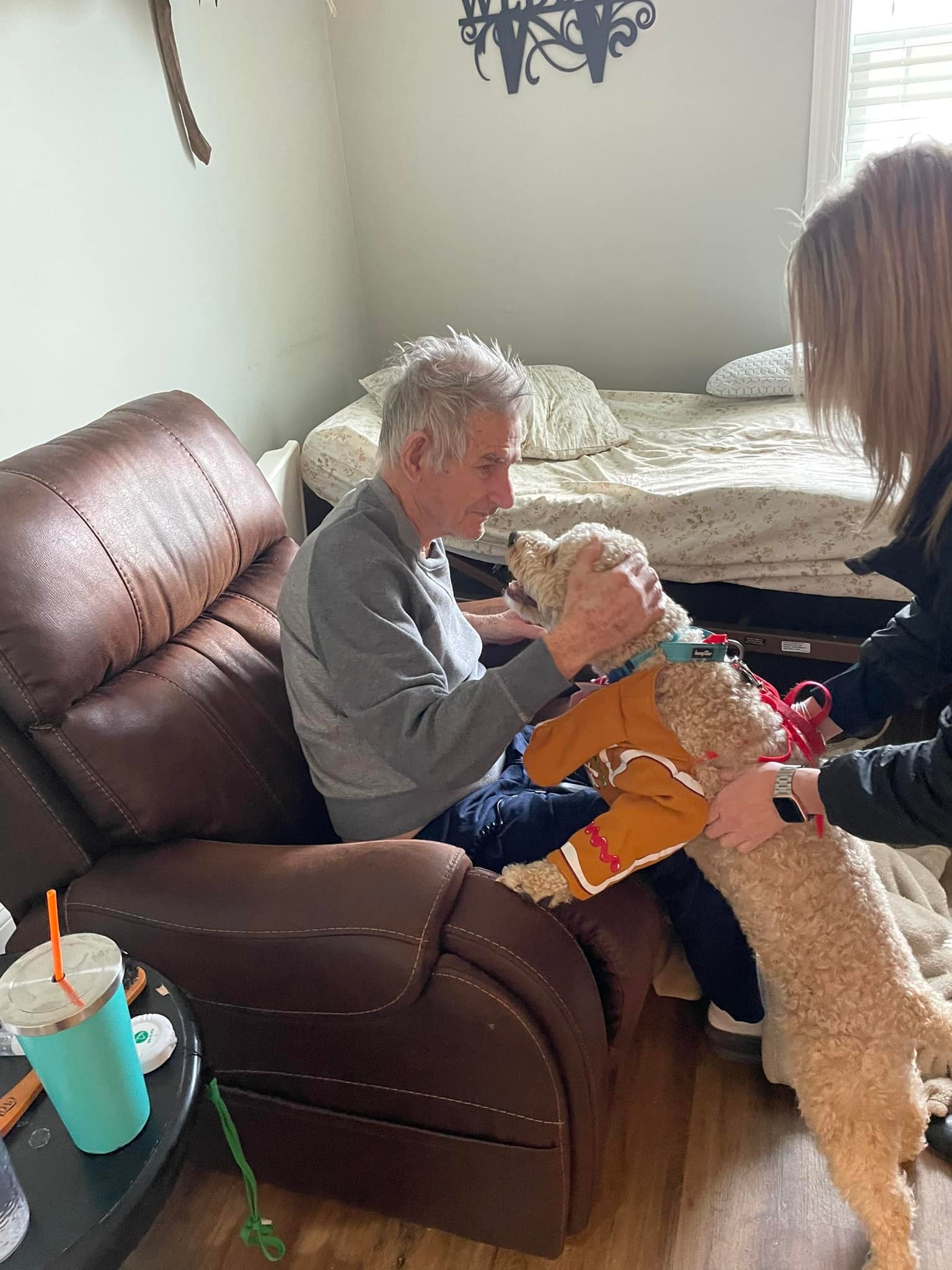
Care Givers
Key Questions to Ask About Staffing
When you visit an assisted living or memory care community, don’t be afraid to ask about staffing levels. The answers will help you understand how much personal attention your loved one will receive. Here are some important questions to consider:
- What is your staff-to-resident ratio during the day?
- How does the ratio change at night or on weekends?
- What is the caregiver-to-resident ratio in memory care compared to assisted living?
- Do you adjust staffing if a resident’s needs increase?
- How are caregivers trained to handle emergencies or memory-related challenges?
- Are nurses or licensed medical professionals available, and how quickly can they respond?
- How long has the average staff member worked here? (This can indicate stability and consistency in care.)
FAQ's
Frequently Asked Questions
1. What is the average staff-to-resident ratio in assisted living?
Most assisted living communities average 1 caregiver for every 8 to 12 residents during the day, and ratios may increase to 1:12–15 at night. Crown Point Assisted Living maintains a consistent 1:6 caregiver-to-resident ratio, providing more attentive care.
2. Why does the caregiver-to-resident ratio matter?
Ratios affect how quickly staff can respond to residents, how personalized daily care feels, and overall safety. A lower assisted living staff-to-resident ratio means caregivers have the time to build relationships and give residents more individual attention.
3. Is the staff-to-resident ratio different in memory care?
Yes. Memory care usually requires closer supervision, with ratios ranging from 1:5 to 1:8 during the day. At Crown Point, our memory care staff-to-resident ratio is 1:6, providing peace of mind for families of loved ones with Alzheimer’s or dementia.
4. Do staffing ratios change at night in assisted living?
In many communities, nighttime staffing is much leaner, sometimes 1 caregiver for 12–15 residents. At Crown Point, we keep a 1:6 ratio both day and night, ensuring consistent support whenever it’s needed.
5. How do I know if a community’s ratio is right for my loved one?
When touring a community, ask:
- What is your caregiver-to-resident ratio during the day? At night?
- Is staffing different in memory care vs. assisted living?
- How do you adjust staffing when residents need more assistance?
6. Does a lower ratio guarantee better care?
Not always. The ratio of caregivers to residents in assisted living is important, but equally vital is caregiver training, compassion, and consistency. At Crown Point, our strong ratio is paired with staff who are trained in senior care, dementia support, and emergency response.
7. Can families see staff-to-resident ratios during a visit?
Yes. The best way to feel confident is to visit the community, observe how many caregivers are present, and notice how quickly residents’ needs are met. Families at Crown Point often comment on how visible and responsive our caregivers are compared to larger facilities.
8. Do caregivers have time to provide emotional support, or just basic care?
In communities with higher ratios, staff may only cover essentials like meals and medications. A stronger caregiver-to-resident ratio allows caregivers to engage socially, build relationships, and offer companionship in addition to care.
9. How do staffing ratios affect activities and engagement?
Ratios don’t just impact safety—they also influence how often residents can participate in meaningful activities. More staff per resident means more opportunities for one-on-one encouragement and participation in group events.
10. How do staffing ratios compare between small, home-like communities and large facilities?
Smaller, boutique-style assisted living communities often maintain lower ratios than large facilities. This can mean more personalized care and stronger relationships between staff and residents.