
Assisted Living Near Leroy
Assisted Living Near Leroy, Indiana Support With Daily Life, Close to Home
If you’re searching for assisted living near Leroy, IN, you’re probably not looking for a “facility” as much as a reliable plan—for safety, daily support, and peace of mind. Whether you’re a senior who wants life to feel easier again, or a family member who’s worried about what happens between visits, the right assisted living community should help you feel confident, not rushed.
At Crown Point Assisted Living, we help seniors get the day-to-day support they need in a comfortable, caring environment—so families can step out of crisis mode and into a steadier routine.
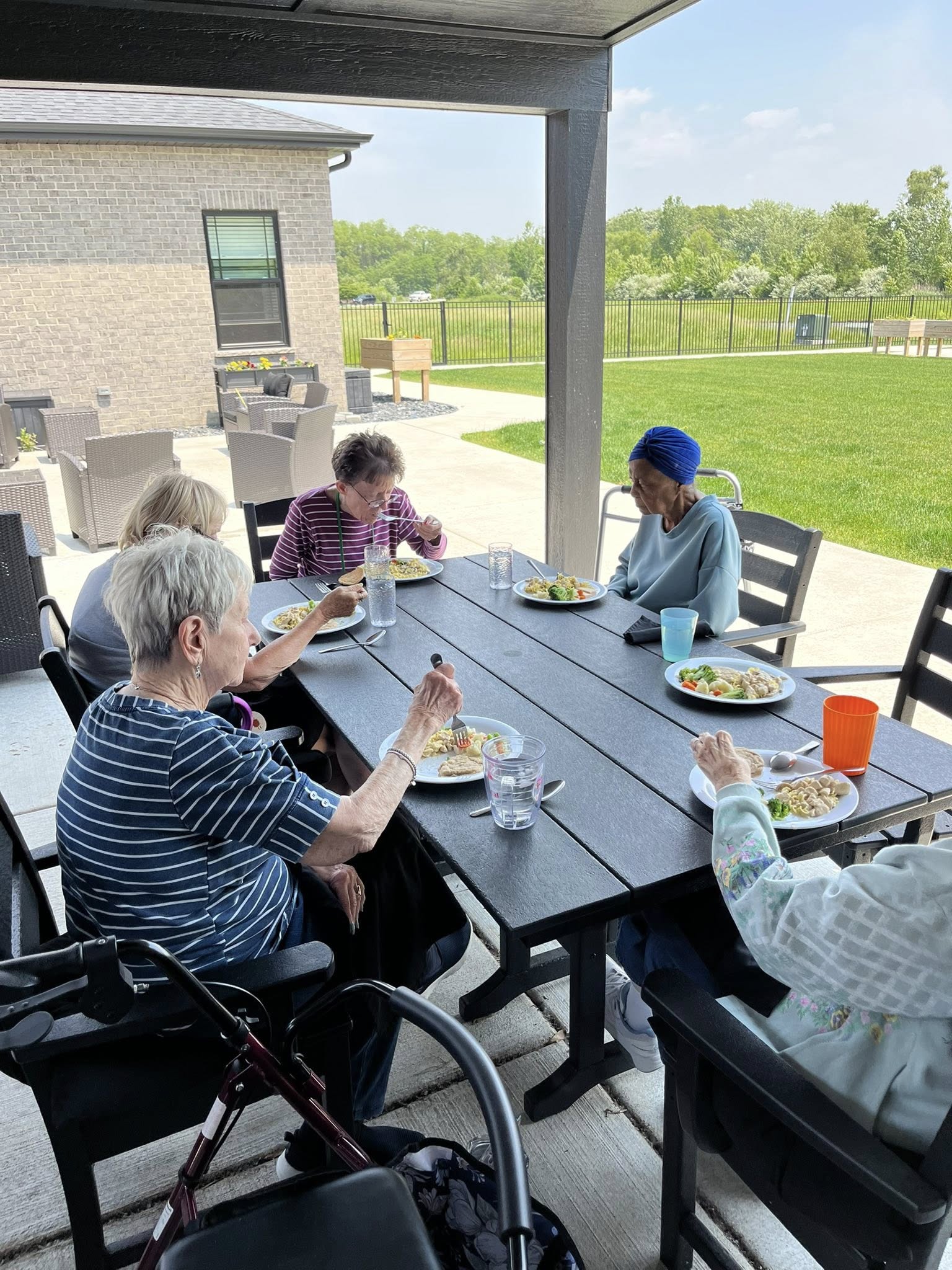
When More Support Brings Greater Peace of Mind
When Assisted Living Becomes the Right Next Step (Without the Guilt)
Most families don’t start with “We need assisted living.” They start with moments that feel small—until they add up. Assisted living may be the right next step when you’re noticing:
- Falls or close calls that make living alone feel risky
- Skipped meals or poor nutrition because cooking has become hard
- Medication confusion—missed doses, double doses, or uncertainty
- Daily tasks taking too much energy, like dressing, bathing, or laundry
- Loneliness that’s changing mood, motivation, or health
- Caregiver burnout—you’re doing your best, but it’s becoming too much
This isn’t about “taking independence away.” It’s about adding the kind of support that helps seniors stay safer, steadier, and more comfortable—while still having choices and dignity.
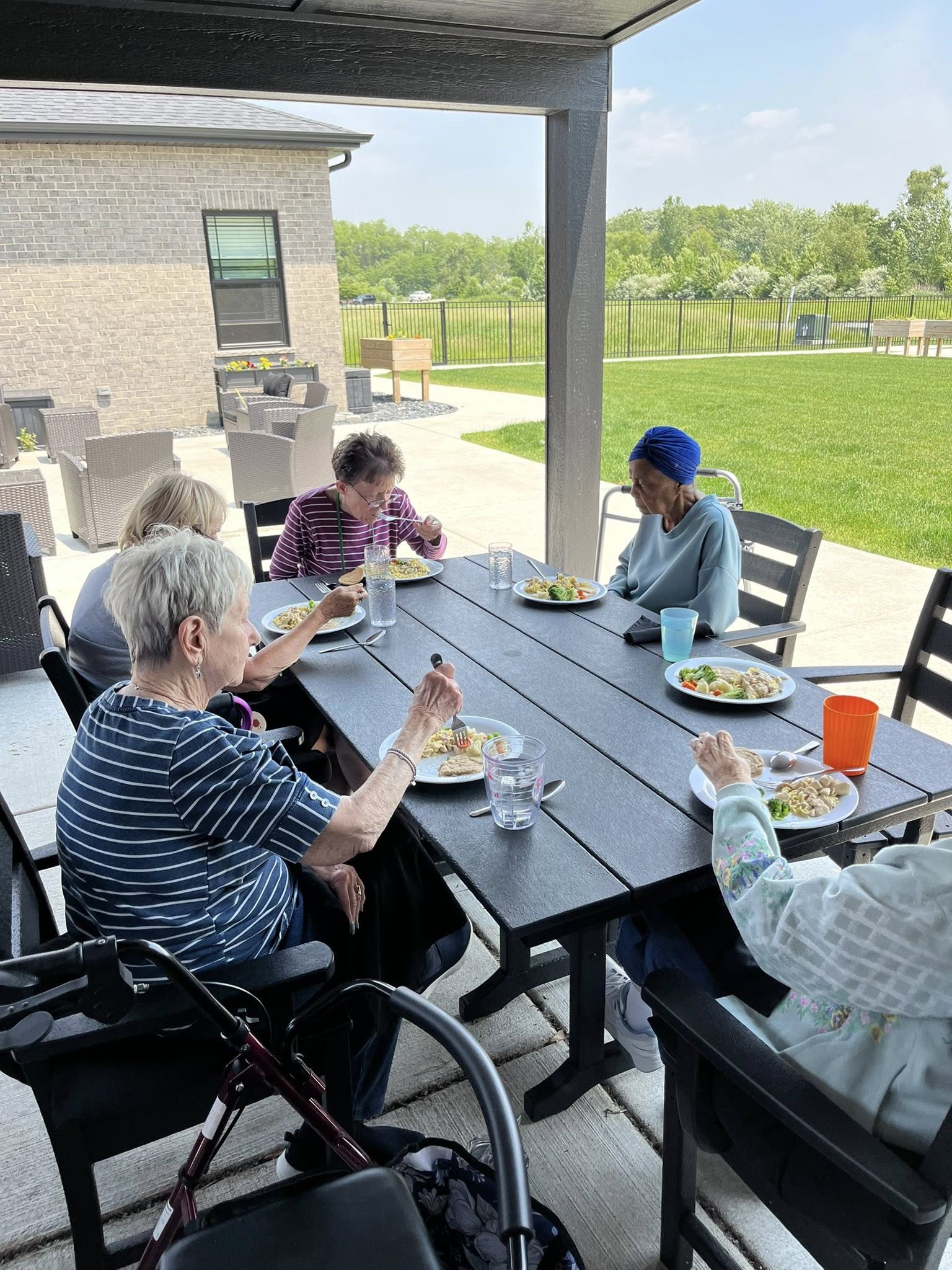
Comfort, Routine, and Support Families
What Daily Life Can Look Like (For Seniors and Families)
For Seniors
Assisted living should make the day feel simpler—not more complicated. The goal is to remove the stressful parts of living alone while keeping the parts that still feel like you. That can look like:
- Having help available when you need it—especially during tough parts of the day
- Regular meals and hydration so energy stays up
- A calmer routine that reduces worry and overwhelm
- More opportunities for connection and conversation
For Families
For families, the biggest shift is often this: you stop managing emergencies and start supporting your loved one from a healthier place. You may feel:
- More peace of mind knowing your loved one isn’t alone through the day
- Less pressure to be “on call” for every small issue
- Relief that daily needs are handled consistently

Care that adapts to you.
Safety and Comfort: What Families Usually Want to Know
Families often ask the same question in different ways:
“Will my loved one be okay here—day to day?”
What matters most is not perfection—it’s having consistent support, a stable routine, and an environment designed around seniors’ needs. Depending on your loved one’s situation, you may be looking for:
- A place where help is available when support is needed
- Fewer day-to-day safety risks than living alone
- A calmer setting that reduces confusion and stress
- A community where seniors aren’t isolated
When you visit, we encourage you to bring your real concerns—falls, medication routines, nutrition, loneliness, or sleep patterns—so we can talk about what’s realistic and what support looks like here.
We Support
Daily Support We Help With (So Life Feels Manageable Again)
Every resident’s needs are different. Some people need just a little support; others need more hands-on help throughout the day. We focus on practical assistance that makes daily life smoother and safer. Here are common areas we support:
Bathing and personal care support:
Help with routines that can become difficult or unsafe alone.
Dressing and grooming:
Assistance that helps seniors feel comfortable and confident each day.
Mobility and movement support:
Support with walking, transfers, and daily movement to reduce fall risk.
Medication reminders and coordination:
A steadier routine so medications don’t become a daily stress point.
Meals and hydration support:
Regular meals and encouragement to eat and drink consistently.
Housekeeping and laundry:
So the home stays comfortable without becoming overwhelming.
Social connection and activities:
Options to engage, participate, and feel part of a community—without pressure.
Get in touch to schedule a visit or consultation.
If you’re not sure what level of support your parent needs, that’s normal. A short call can help you map out what would make the biggest difference right now.
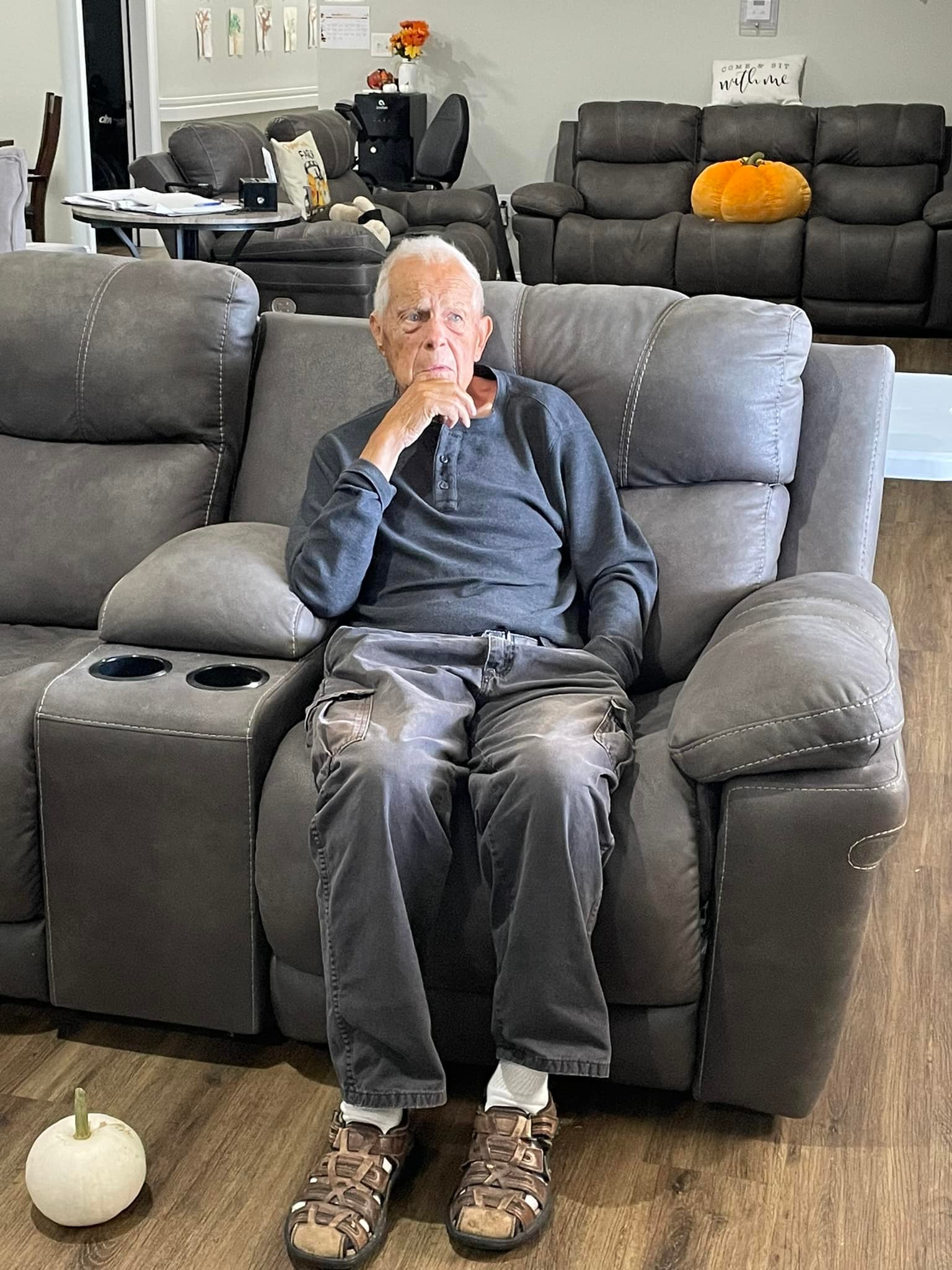
When More Support Brings Greater Peace of Mind
What’s Included and How Pricing Works (So You Can Plan)
Cost is one of the biggest stress points for families—especially when you’re trying to plan quickly. While pricing depends on individual needs, assisted living costs typically reflect:
- The living space and accommodations
- Daily support level (how much help is needed, and how often)
- Included services like meals and routine support
A helpful way to get a clearer estimate quickly is to think through three areas:
- Mobility: walking support, transfers, fall history
- Daily care: bathing/dressing support needs
- Medication routine: complexity and consistency
If you tell us what you’re seeing at home, we can give you a much clearer picture of what to expect. Request pricing guidance or schedule a tour to discuss options.
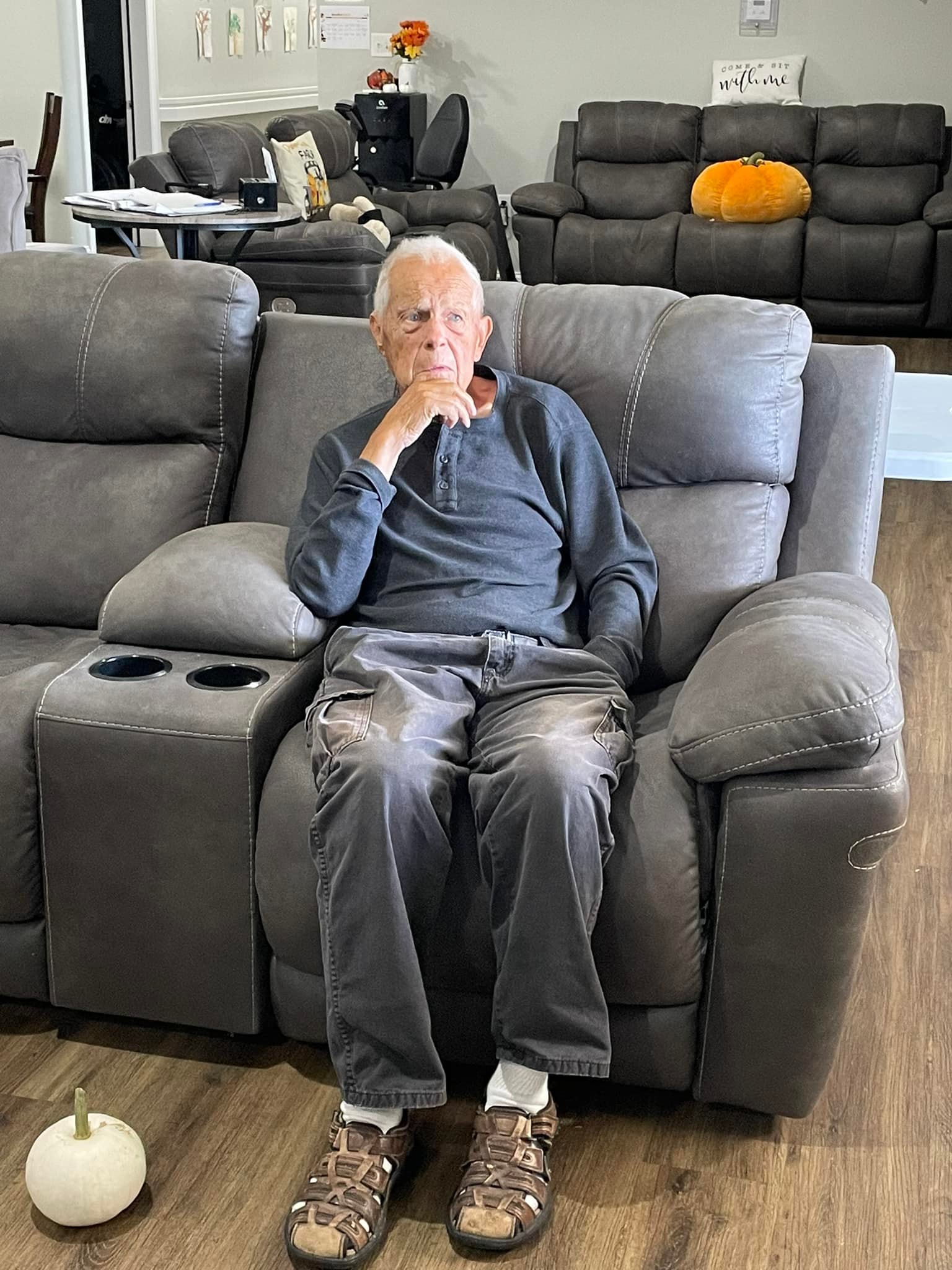
Close to Leroy for Easier Family Visits
Assisted Living Near Leroy, IN: Why Proximity Matters More Than People Think
Choosing assisted living near Leroy isn’t only about convenience—it’s about staying connected. Being close makes it easier for families to:
Visit more often (even short visits that matter)
Stay involved in routines and decision-making
Support transitions and adjustment after move-in
Maintain relationships and family rhythms
For many seniors, knowing family can stop by without a long drive makes the change feel less intimidating—and more like a supportive next chapter.
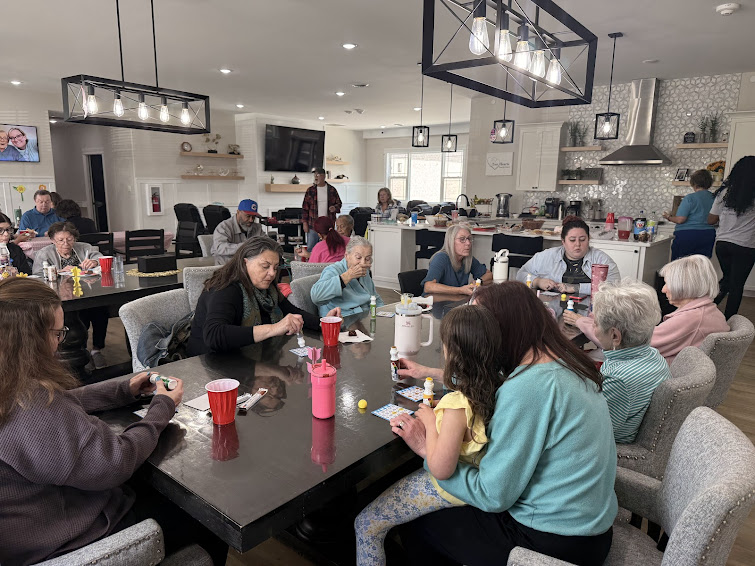
Making the Transition Simple
The Move-In Process (Simple, Not Overwhelming)
Most families want the same thing here: a clear next step. Here’s what the process often looks like:
- Quick call to understand needs and timing
- Tour the community and ask your questions
- Discuss support level and what daily help may look like
- Confirm availability and next steps
- Move-in support to help the transition feel steady
If you’re dealing with a recent fall, hospital discharge, or caregiver burnout, tell us. Timing matters—and we can talk through realistic options.
FAQ's
Frequently Asked Questions
1) How do I know it’s time for assisted living — and not “too soon”?
If daily life is becoming unsafe or consistently difficult, it’s not “too soon.” Families usually reach this point when falls become a real risk, meals are being skipped, medications are getting confusing, hygiene is slipping, or loneliness is affecting mood and health. Assisted living is often the best next step when your loved one needs steady support—not occasional help. If you’re unsure, a quick call can help you compare “what’s happening now” vs. “what support would prevent a crisis.”
2) What if my parent says they’re fine, but I can see they’re struggling?
This is extremely common. Many seniors minimize challenges because they don’t want to worry family or lose independence. A helpful approach is focusing on relief and comfort, not “moving out.” For example: “Let’s find a place where meals are easier and help is nearby—so you don’t have to fight through the hard parts alone.” A tour also helps because it turns fear into something concrete and familiar.
3) Can you help if my loved one is falling more often or feels unsteady?
Yes—many residents come to assisted living after repeated close calls or increasing unsteadiness. The goal is to reduce risk by providing help with daily movement, routines, and the moments when falls tend to happen (mornings, bathroom trips, nighttime). On a tour, we’ll talk through what you’re seeing at home and what level of support would make your loved one safer day to day.
4) How do you handle medication routines if someone forgets doses or gets confused?
Medication routines are one of the biggest stress points for families. In assisted living, we help create a consistent routine so medications don’t rely on memory alone. The exact level of support depends on the resident’s needs, but the focus is always the same: reduce mistakes, reduce stress, and keep the day predictable. Share your current challenges and we’ll walk you through what support can look like.
5) What if my loved one is eating less, losing weight, or skipping meals?
This is often a sign that living alone is getting harder—shopping, cooking, and even appetite can decline with isolation. Assisted living helps by building meals into the day and making it easier to stay consistent. Families often notice their loved one becomes more stable simply because nutrition and hydration aren’t an ongoing struggle anymore.
6) What’s included in the monthly cost — and what usually costs extra?
Pricing typically depends on two things: the living arrangement and the level of daily support needed. Most families want cost clarity because surprises create stress. When you call or tour, we’ll explain what’s included and how care needs affect the monthly rate—so you can plan realistically. If you share your loved one’s mobility, daily-care needs, and medication routine, we can usually give much clearer guidance.
7) What if my parent refuses to move, even though it’s not safe at home?
Resistance usually comes from fear—of change, of losing control, or of the unknown. A tour can help because it replaces imagined worst-case scenarios with a real, calm experience. It also helps to frame the move around what your parent gains: less stress, fewer risks, help with the hardest tasks, and more comfort. If you’re facing this situation, we can suggest ways to approach the conversation so it doesn’t turn into a fight.
8) How do you help someone adjust during the first few weeks?
The first weeks matter. Most new residents need time to feel settled, learn the routine, and build comfort with support. We focus on helping them feel safe, respected, and not rushed. Families are also part of the transition—so you can stay involved and help your loved one feel connected. A tour is the best way to understand the environment and what day-to-day adjustment looks like here.