
Assisted Living Near Portage
Assisted Living Near Portage, Indiana for Daily Support & Peace of Mind
If you’re looking for assisted living near Portage, Indiana, you’re probably not browsing casually—you’re trying to solve something that’s starting to feel unsafe, unmanageable, or lonely at home. Maybe your parent is missing meals or medication. Maybe you’re getting “that” call more often. Or maybe you’re simply exhausted from covering nights, weekends, and constant worry.
Crown Point Assisted Living offers a supportive, comfort-focused assisted living option for Portage-area families who want daily help with routines—without giving up dignity, independence, or connection.

Quality Nursing Care with a Personal Touch
Why Portage Families Start Looking for Assisted Living
Most families don’t start with “assisted living.” They start with a pattern—small issues that stack up:
- Near-falls or increased unsteadiness (especially at night or in the bathroom)
- Missed meals, poor nutrition, or dehydration
- Medication confusion or missed doses
- Housekeeping slipping (laundry, dishes, clutter becoming a safety issue)
- Loneliness or withdrawal after a spouse passes or driving stops
- Caregiver burnout—family can’t safely cover care 24/7
If any of these are becoming “normal,” it may be time to explore a setting where support is built into the day—so your loved one isn’t struggling to keep up, and you’re not constantly bracing for the next emergency.
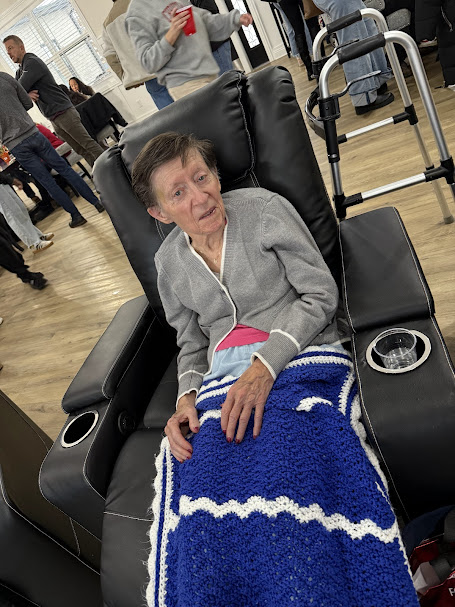
Trusted Choice for Portage Seniors
A Strong Option for Portage Seniors: Crown Point Assisted Living
Portage families often want assisted living that feels steady, respectful, and calm—not institutional, not chaotic, and not confusing.
Crown Point Assisted Living is a nearby option for seniors who benefit from:
- Daily routine support
- Consistent oversight and a safer environment
- Community and connection that makes life feel fuller again
This is a setting designed to reduce stress for seniors and families by making help available before things become a crisis.
Engaging & Supportive Daily Living
What a Typical Day Can Feel Like in Our Crown
Point Assisted Living
Many seniors fear losing independence. Many families fear guilt and regret. A helpful assisted
living environment eases both—by building a day that is supportive and normal. A typical day may include:
Morning
Help getting ready, a relaxed breakfast, and a gentle start
Late morning
Activities, light movement, or social time
Midday
lunch and downtime or rest
Afternoon
Engagement (music, games, conversation, structured events)
Evening
Dinner, quieter activities, and a calm wind-down routine
For many seniors, this consistency improves appetite, mood, and overall confidence—because they’re no longer trying to manage everything alone.
Daily Support That Makes Everyday Life Easier
What Assisted Living Helps With Day to Day
Assisted living is designed for seniors who want more support than living at home provides—but who don’t need continuous skilled medical care. At its best, assisted living makes everyday life easier and safer through consistent routines, respectful help, and steady oversight. Support can include:
1
Personal routines
Help with daily activities like:
- bathing and grooming
- dressing and getting ready
- toileting support (as needed)getting safely to meals and activities
2
Daily structure and reassurance
- Regular meals and hydration support
- Gentle check-ins that reduce “silent struggling”
- A predictable rhythm to the day that lowers stress
3
Medication reminders
Many families choose assisted living when medication schedules start slipping. In assisted living, seniors can receive medication reminders and support with routine adherence (details depend on the specific care plan).
4
Mobility and safety support
- Assistance walking and moving around safely
- Support that reduces fall risk through supervision and safer routines
- Help navigating stairs, transfers, and fatigue moments
5
A home without the “home burden”
- Housekeeping support and laundry help
- Less pressure to keep up with chores
- A setting built for seniors rather than seniors adapting to a house that no longer fits
Get in touch to schedule a visit or consultation.
Tours are available 7 days a week. Come see the home — we'd love to meet you and answer every question you have.
Standard of Personalized Senior Care
Assisted Living vs. Nursing Home vs. Staying at Home
A common worry is: “Is assisted living too much—or not enough?” Here’s a simple way to think about it:
| Option | Best fit when… | Help with daily routines | Safety support | Medical/skilled nursing level | Social life & engagement | What families should watch for |
|---|---|---|---|---|---|---|
| Assisted Living | A senior needs daily support and it’s getting hard to manage safely at home | Yes — support with personal routines, meals, and day-to-day structure | Stronger coverage than home with staff and regular check-ins | Not a nursing-based setting; best for daily support needs | Built-in activities, conversation, and community | Ask how support scales if needs change and what’s included |
| Nursing Home | A senior needs ongoing skilled medical care and clinical oversight | Yes — typically higher-level hands-on support | Highest oversight due to clinical staffing | Yes — skilled nursing and medical monitoring | Varies by facility | Can feel more clinical than needed for some seniors |
| Staying at Home | Routines are stable and reliable help is available | Depends on caregiver consistency | Often gaps at night, weekends, or caregiver absences | Limited unless skilled home health is arranged | Social interaction may decrease over time | Caregiver burnout, safety gaps, and rising costs |
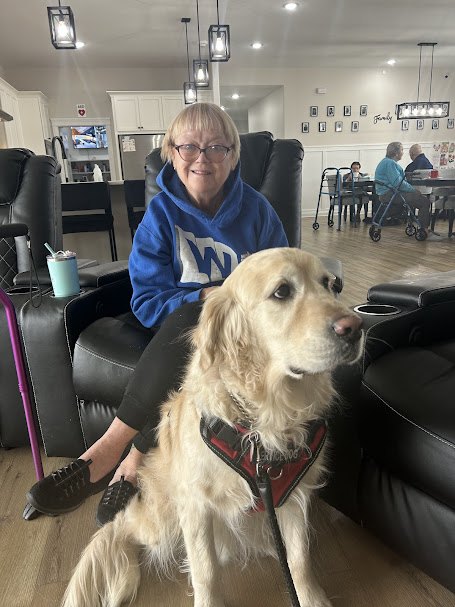
Care Givers
Cost Questions: What Usually Impacts Pricing
Most families in Portage worry about cost—especially when they’ve been paying for home expenses, occasional help, and unexpected emergencies.
Assisted living costs generally depend on:
- the level of day-to-day support needed
- room type and privacy preferences
- how much help is needed with personal routines
- any additional services or support options
A tour is often the fastest way to understand what your situation might require and what options are realistic—without guessing or assuming worst-case scenarios.
Simple Steps to Explore Care
How to Get Started (Without Pressure)
You don’t need to have everything figured out before you call. A simple next step is:
Talk through your situation (what’s happening at home, what you’re worried about)
Schedule a tour to see the environment and ask questions
Get a clear plan for next steps—whether that’s moving soon or planning ahead
FAQ's
Frequently Asked Questions
1) How do I know it’s really “time” for assisted living for my parent —and I’m not overreacting?
If safety risks are increasing (falls, missed meds/meals, confusion, leaving doors/stove on) or caregiving is becoming unsustainable, it’s usually time to at least tour. Many families wait for a crisis—assisted living can prevent one.
2) What if my parent refuses assisted living?
This is common. Start with a “safety + support” conversation (not “you can’t live alone”). Tour together “just to see options,” involve their doctor if appropriate, and focus on what they gain—meals, less stress, more independence—not what they lose.
3) What level of help is included—bathing, dressing, toileting, walking?
Most assisted living supports daily routines like bathing, dressing, grooming, and getting around safely. The exact level depends on the care plan, so families should ask what’s included and how support increases if needs change.
4) Do you help with medication reminders?
Many assisted living care plans include medication reminders and routine support, depending on the individual’s needs and plan.
5) What if my loved one needs more help later?
A good assisted living plan adapts as needs change. Families often start with lighter help and increase support if routines become harder over time.
6) How do we prevent falls—especially at night?
Ask what safety routines exist after dinner, how nighttime support works, how staff respond to call buttons, and what the environment is like (lighting, floors, bathroom setup, walking paths).
7) How quickly can someone move in?
Timing depends on availability and the individual’s needs. If your situation is urgent, it’s best to call and ask what options exist right now.
8) What should we ask during a tour so we don’t miss red flags?
Key questions: staff response time, how care plans work, who’s on-site after hours, how meals are handled, what activities look like in real life, and how they communicate changes to families.
9) What does assisted living cost—and what makes the price go up?
Pricing usually depends on room type and how much daily support is needed. Ask what’s included (meals, housekeeping, activities) and what triggers higher costs (more hands-on support, extra reminders, higher supervision needs).
10) What do we need to bring, and how do we make the move less stressful?
Families want a simple checklist. Ask what furniture is needed, what’s provided, what to label, and how to set up the room to feel familiar. Also, ask if they have tips for easing the first 2–3 weeks.