
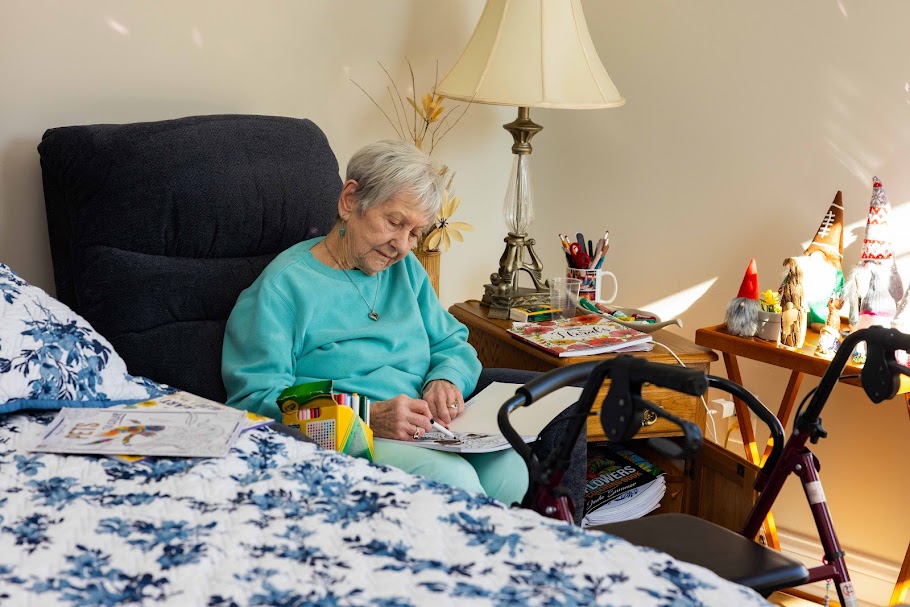
Moving a loved one into assisted living can feel like a lot—emotionally, logistically, and financially. The good news: the move-in process is usually more structured (and faster) than families expect.
Most move-ins follow the same path: tour → assessment → paperwork → apartment setup → move-in day → first-week adjustment. Below is a simple, real-world timeline, plus checklists you can use to stay organized and reduce last-minute stress.
What the Assisted Living Move-in Process Typically Includes?
While every community has its own policies, most move-ins involve:
- A tour and conversation about care needs, routines, and lifestyle preferences
- A care assessment (physical needs, medication support, mobility, memory concerns, etc.)
- Paperwork + financial steps (agreement, deposit, required documents)
- Move-in preparation (room setup, personal items, medication transfer)
- A settling-in plan for the first week (introductions, dining, activities, care adjustments)
Assisted Living Move-in Timeline: What Happens and When
Phase 1: Before you choose a community (Day 0–7)
Goal: Narrow options and find the best fit—not just the fastest opening.
What usually happens:
- Tour 1–3 communities (in-person, and/or virtual)
- Discuss services, pricing, room options, and availability
- Ask about care, staffing, transportation, activities, dining, and visiting policies
- Confirm what’s included vs. what costs extra
What to ask on tours (quick list):
- What help is included with bathing, dressing, toileting, and mobility?
- How is medication managed?
- How do you handle falls, hospital returns, and changing care needs?
- What does a typical day look like?
- What items are provided (bed, dresser, TV, linens)?
- What are the move-in requirements and typical timeline?
Phase 2: Assessment + care plan setup (Day 3–10)
Goal: Confirm your loved one’s needs and determine the right level of support.
What usually happens:
A nurse or care coordinator completes an in-person or phone assessment
The team reviews:
- Mobility and fall risk
- Cognitive status (memory, confusion, safety)
- Medication list and pharmacy needs
- Personal care support needs
- Dietary needs and allergies
- Health history and physician info
- You receive or confirm the care plan (what assistance will be provided)
Tip: Bring the most current medication list and recent discharge paperwork if applicable—this speeds up everything.
Phase 3: Paperwork + securing the move-in date (Day 5–14)
Goal: Lock in the apartment/room and ensure all documents are ready.
What usually happens:
- Complete the residency agreement and required forms
- Provide ID and health information
- Confirm pricing, deposits, and payment methods
- Coordinate move-in date/time (often based on availability and assessment)
Common documents requested:
- Photo ID
- Insurance cards (if applicable)
- Current medication list
- Physician contact info
- Emergency contacts
- Power of Attorney / healthcare proxy documents (if applicable)
Phase 4: Getting the room ready (Week 1–2)
Goal: Set up a calm, familiar space that supports safety and independence.
What usually happens:
- You receive room measurements, what’s provided, and what you can bring
- You plan furniture delivery and personal items
- You coordinate any medical equipment (walker, wheelchair, shower chair, etc.)
- You arrange pharmacy and medication transfer if needed
Room setup priorities:
- Clear pathways (especially bed → bathroom)
- Good lighting and nightlights
- Easy-to-reach essentials (glasses, water, phone charger)
- Familiar comfort items (photos, blankets, favorite chair)
Phase 5: Move-in day (Day 1)
Goal: Keep it simple. Comfort first, paperwork second.
What move-in day often looks like:
- Arrival + welcome and introductions
- Basic orientation: dining schedule, call button, community layout
- Medication review (if medication assistance is included)
- Staff checks in regularly the first day
- A lighter schedule—rest matters
Best practice: Don’t try to move everything at once. Bring essentials first, then add extras after your loved one settles.
Phase 6: The first week (Days 2–7)
Goal: Help your loved one feel safe, known, and comfortable.
What usually happens:
- Staff learns routines and preferences (sleep, bathing, meals, mobility)
- Minor care plan adjustments are common
- Social introductions and activity suggestions begin
- Families often coordinate best visiting times (not too long, not too short)
What’s normal during week one:
- Mood swings, second thoughts, or “I want to go home”
- Fatigue (new environment is draining)
- Appetite changes for a few days
- Needing reassurance and routine
Phase 7: Weeks 2–4: settling into routine (Days 8–30)
Goal: Routine + relationships = comfort.
What helps most:
- A consistent visit schedule
- Familiar items and photos
- Encouragement to attend one small activity at a time
- Communication with staff about what’s working (and what’s not)
Assisted Living Move-in Checklist (Family-friendly)
1) Decision + planning checklist
✅ Tour communities and compare options
✅ Confirm availability and pricing
✅ Ask what’s included vs. add-on costs
✅ Schedule assessment
✅ Review care plan and support level
✅ Confirm move-in date/time
✅ Ask what furniture/items are provided
2) Paperwork + document checklist
✅ Photo ID
✅ Insurance cards (if needed)
✅ Emergency contacts list
✅ Physician contact information
✅ Medication list (names, doses, schedule)
✅ Pharmacy details
✅ Hospital discharge paperwork (if relevant)
✅ POA / healthcare proxy documents (if applicable)
✅ DNR / advance directives (if applicable)
3) What to pack for assisted living (essentials first)
A. Clothing
✅ 7–10 comfortable outfits
✅ Sweater/jacket + seasonal outerwear
✅ Pajamas + robe
✅ Non-slip shoes + slippers
✅ Socks/undergarments (extras help)
✅ Label clothing if possible
B. Toiletries
✅ Toothbrush/toothpaste, hairbrush
✅ Deodorant, lotion, shaving items
✅ Denture care items (if needed)
✅ Hearing aid batteries (if needed)
✅ Preferred soap/shampoo (familiar scents help)
C. Health + mobility
✅ Walker/cane/wheelchair (if used)
✅ Glasses + backup pair (if available)
✅ Hearing aids + charger/case
✅ CPAP machine (if used)
✅ A list of current doctors and conditions
D. Comfort + personal items
✅ Family photos
✅ Favorite blanket/pillow
✅ Small keepsakes that feel like “home”
✅ A favorite mug or snack (if permitted)
✅ Books, crossword puzzles, hobby items
4) Room setup checklist (safety + comfort)
✅ Nightlights for bedroom and bathroom path
✅ Easy-to-reach phone/charger
✅ A small basket for essentials (glasses, tissues, lip balm)
✅ Simple storage solution (drawer organizers)
✅ Remove tripping hazards (extra rugs, clutter)
✅ Confirm where to store valuables (and what not to bring)
What to Expect Emotionally (For Seniors and Families)
1. For your loved one
Common feelings include:
- Nervousness about change
- Grief about leaving home
- Relief that help is available
- Worry about “fitting in”
What helps:
- Familiar routines (same wake time, same morning drink, favorite TV show)
- Gentle encouragement (one new activity at a time)
- Reassurance that this move is about safety and support—not losing independence
2. For family caregivers
It’s also common to feel:
- Guilt (“Did we do the right thing?”)
- Exhaustion (this process is a lot)
- Relief (you’re not doing it alone anymore)
A good community will support both the resident and the family through the transition.
How to Make Move-in Day Smoother (Simple Tips)
- Keep the first day short and calm—avoid over-scheduling
- Bring only essentials first; add extra décor later
- Use labels for drawers and closets if memory is a concern
- Plan visits in shorter, consistent blocks (instead of long, emotional stays)
Share a “What you should know about me” page with staff:
- preferred name
- typical bedtime
- food preferences
- what causes anxiety
- what comforts them
Next Step: Make A Simple Plan and Reduce the Stress
If you’re exploring assisted living in Crown Point (or nearby), the move-in process is much easier when you have a clear timeline and a checklist—so you’re not juggling everything at once.
Frequently Asked Questions
1. How long does it take to move into assisted living?
Some move-ins happen within a few days, but 1–2 weeks is common, depending on availability, assessment timing, and paperwork.
2. What if we need an urgent move-in after a hospital stay?
Many communities can coordinate quicker move-ins after a discharge, as long as assessment and paperwork can be completed quickly. Having discharge papers and a current medication list ready helps.
3. Do we need to bring furniture?
Sometimes yes, sometimes partially, sometimes not at all—it depends on what the community provides. Ask for a list of included items and room measurements before you shop.
4. What should we avoid bringing?
Avoid valuables, large amounts of cash, expensive jewelry, or items that create clutter and fall risk. Keep décor simple and meaningful.
5. How do we know if assisted living is the right level of care?
Assisted living is typically a good fit when someone needs help with daily activities (like bathing, dressing, medications, meals) but doesn’t require full-time medical care. A professional assessment helps confirm fit.