
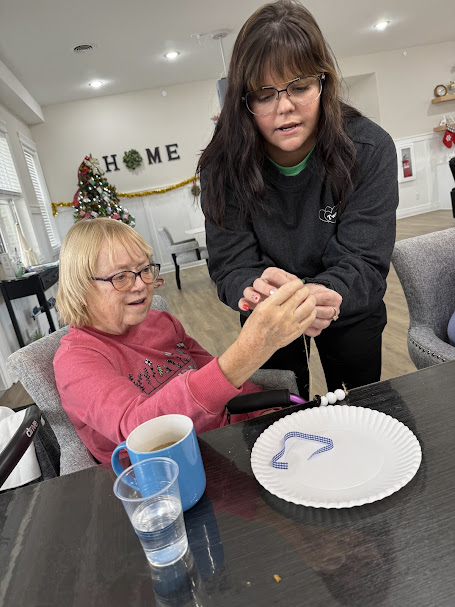
When families start looking at assisted living, one of the first questions is simple—but important: what will caregivers actually do every day for my loved one? The word “caregiver” can mean different things in different settings, and that can make the decision feel confusing.
In an assisted living home, caregivers are the people who keep daily life steady, safe, and dignified. They help residents with personal care, routine tasks, mobility, meals, and comfort—while also supporting independence and choice. Just as importantly, they build trust. They learn preferences. They notice small changes. They become familiar faces that make a new place feel like home.
This guide breaks down caregiver responsibilities in assisted living in a clear, practical way—so you know what to expect, what to ask, and how to tell if a community is the right fit.
What is a Caregiver in an Assisted Living Home?
In assisted living, caregivers (often called care partners, resident assistants, or personal care aides) provide hands-on support with activities of daily living (ADLs) and other everyday needs. Their focus is non-medical support: helping residents live safely and comfortably while preserving as much independence as possible.
Caregivers are typically part of a wider team that may include administrators, nurses (or nurse consultants), dining and housekeeping staff, and activity coordinators. Depending on the community, caregivers may also assist with medication reminders or work alongside licensed staff who handle medication administration.
The key point: caregivers are the daily support system—helping residents with what’s hard, so residents can focus on living.
The Heart of Caregiver Responsibilities: Supporting Daily Living
Caregiver work is built around the moments that can feel small—but mean everything to a resident’s confidence and quality of life.
1) Help with bathing, grooming, and personal hygiene
Personal care is one of the most common reasons people choose assisted living. Caregivers may help residents:
- Bathe or shower safely (including getting in/out of the shower)
- Wash hair, shave, and manage grooming routines
- Brush teeth or care for dentures
- Choose clean clothing and get dressed comfortably
- Maintain skin care and basic hygiene needs
Caregivers are trained to support residents respectfully and privately. For many seniors, accepting help with hygiene is an emotional shift—so caregivers play a major role in making that support feel normal, dignified, and calm.
2) Dressing and getting ready for the day
Dressing can become challenging due to arthritis, balance issues, tremors, post-surgery recovery, or cognitive changes. Caregivers help with:
- Putting on clothing and shoes
- Using adaptive items (like button hooks or zipper pulls)
- Layering appropriately for the weather
- Keeping routines consistent—especially important for residents with memory concerns
What looks like “just getting dressed” is often the first win of the day.
3) Toileting and continence support
This area is often the hardest to talk about—but it’s a major part of caregiver support. Caregivers may assist with:
- Getting to the bathroom safely and on time
- Transfers on/off the toilet
- Incontinence product changes (when needed)
- Hygiene after toileting
- Discreet laundry support for clothing or linens
Good caregiving here is quiet, respectful, and proactive. Families should feel confident that privacy and dignity are always protected.
4) Mobility and safe transfers
Assisted living caregivers help residents move safely throughout the day, including:
- Walking support (with or without mobility aids)
- Safe transfers (bed to chair, chair to toilet, etc.)
- Using walkers, canes, or wheelchairs correctly
- Fall-prevention support—keeping pathways clear, ensuring proper footwear, and encouraging safe habits
Mobility support isn’t about “doing everything for someone.” It’s about helping residents keep moving safely, which protects independence longer.
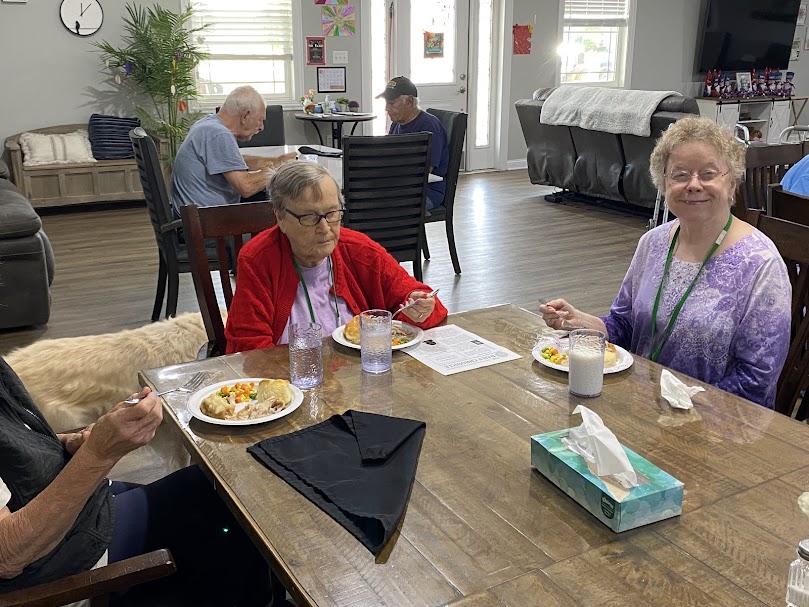
5) Meals, hydration, and mealtime support
Eating well is about more than nutrition—it’s energy, mood, and strength. Caregivers may support residents by:
- Escorting residents to meals
- Helping with seating and mobility at the table
- Assisting with cutting food or opening containers
- Providing encouragement for appetite changes
- Watching for swallowing concerns (and reporting them)
- Encouraging hydration throughout the day
Caregivers also notice patterns: “She isn’t finishing meals this week,” or “He’s avoiding certain foods,” which can signal health or mood changes.
Medication Support: What Caregivers Can (And Can’t) Do
Medication processes vary by state regulations and by community. In many assisted living settings:
- Caregivers may provide reminders (“It’s time for your medication.”)
- Trained staff may assist with self-administration
- Licensed nurses or qualified medication staff may administer medications (depending on community policy and regulations)
What matters for families is clarity. When you tour, ask:
- Who manages medication schedules?
- Who physically hands the medication to the resident?
- How are missed doses handled?
- How are medication changes communicated to the family?
A strong community has a clear, documented process—and caregivers are part of the communication loop that keeps it consistent day to day.
Safety is a Daily Job, Not a One-time Feature
Caregivers don’t just respond to problems—they prevent them. Safety responsibilities often include:
1. Monitoring and wellness check-ins
Caregivers routinely check on residents to make sure they’re:
- Moving safely
- Eating and drinking
- Sleeping well
- Staying engaged
- Not showing signs of pain, confusion, or distress
2. Fall prevention and environmental awareness
Caregivers help reduce risk by:
- Ensuring floors are dry and clutter-free
- Encouraging supportive footwear
- Helping residents use mobility aids consistently
- Supporting safe pacing (especially during transitions like mornings and evenings)
3. Responding quickly when help is needed
If a resident calls for help or there’s an emergency, caregivers are trained to respond promptly and follow the community’s procedures—whether that’s immediate assistance, notifying supervisory staff, calling family, or contacting emergency services.
Emotional Support and Companionship: The Part Families Notice Most
A caregiver’s impact isn’t only practical—it’s emotional. Assisted living is a major life transition. Residents can feel nervous, vulnerable, or disoriented early on. Caregivers help by offering:
- Familiar routines
- Friendly conversation and reassurance
- Encouragement to participate in activities
- Patience during tough moments
- Respect for preferences, culture, and personality
This is one of the biggest differences between a facility that “does the basics” and a community that feels like home: how caregivers connect with residents as people.
Communication with Families: What Caregivers Contribute
Caregivers often become the first to notice small changes, such as:
- “She’s moving slower than usual.”
- “He seems more tired lately.”
- “She’s skipping activities she normally loves.”
- “He’s eating less or avoiding water.”
In a well-run assisted living home, caregivers share these observations with supervisors and the care team, which helps families stay informed and helps the community adjust support early.
Families should expect regular communication about:
- Changes in routines or care needs
- Mobility or fall concerns
- Appetite or sleep changes
- Mood or behavior changes
- New support recommendations
Housekeeping Support: What’s Included vs. What Caregivers Do
Caregivers aren’t typically the primary housekeeping staff, but they often help maintain a comfortable daily environment by:
- Keeping personal spaces tidy and safe (removing trip hazards)
- Assisting residents with organizing clothing
- Supporting laundry routines (depending on community setup)
- Helping residents keep bathrooms and bedrooms clean enough for safe movement
In assisted living, housekeeping services are usually provided by dedicated staff, but caregivers play a role in daily upkeep—especially when safety is involved.
Support with Activities and Daily Structure
Caregivers often encourage participation and help residents get where they need to be, including:
- Escorting to group activities, fitness, or social events
- Supporting residents who feel hesitant to join in
- Helping residents follow their daily schedule
- Encouraging routines that improve sleep and mood
They may not run the activity program, but caregivers are often the reason residents feel confident enough to participate.
Specialized Responsibilities for Memory Care or Cognitive Support
Some assisted living homes offer memory support or have residents who live with mild-to-moderate cognitive changes. Caregiver responsibilities may then include:
- Keeping routines consistent to reduce confusion
- Using calm redirection when someone is anxious or disoriented
- Supporting safe wandering management (as appropriate)
- Offering simple choices to preserve independence
- Helping with communication when words are hard to find
- Watching for triggers that cause agitation (overstimulation, hunger, fatigue)
In memory support environments, caregiver patience and training matter even more—because the “how” is just as important as the “what.”
A Day in the Life: What Caregivers Do from Morning to Night
Caregiving shifts vary, but this gives you a realistic picture of how responsibilities unfold throughout a day.
Morning: setting the tone
- Wake-up assistance (as needed)
- Toileting, bathing, grooming
- Getting dressed and ready
- Breakfast support and hydration reminders
- Morning medication support (if applicable)
- Light room check for safety (clutter, laundry, trip hazards)
Midday: routine and engagement
- Lunch support
- Escorting to activities or appointments
- Mobility assistance and transfers
- Check-ins for mood, pain, or fatigue
- Support with rest time or quiet routines
Afternoon: comfort and connection
- Encouragement to move, socialize, or participate
- Toileting support and hygiene check-ins
- Hydration reminders
- Family communication or staff updates (if changes are noticed)
Evening: winding down safely
- Dinner assistance
- Nighttime routines (changing clothes, toileting, hygiene)
- Preparing for sleep and ensuring a comfortable environment
- Increased monitoring for fall risk during nighttime transitions
What Caregivers Do NOT Do in Assisted Living
This is where families can get surprised, so it’s important to be clear. In assisted living, caregivers typically do not:
- Provide complex medical care (like wound care, IV therapy, injections—unless licensed staff are available and permitted)
- Replace skilled nursing services when a higher medical level of care is requiredAct as a 24/7 one-on-one private caregiver for a single resident (unless you arrange and pay for private duty support and the community allows it)
Assisted living is meant for people who need daily help and oversight—but not intensive, continuous medical care. If needs increase over time, a strong community will help families plan next steps.
What Makes a Great Caregiver (And How Families Can Spot It)
When you tour an assisted living home, you can learn a lot by watching caregiver interactions. Strong caregivers tend to show:
- Respectful communication (speaking to residents—not about them)
- Patience and calm tone
- Prompt response to call lights or requests
- Encouragement without rushing
- Professional boundaries with genuine warmth
- Attention to detail (noticing changes, keeping environments safe)
Questions to ask during a tour:
- How do caregivers learn resident preferences and routines?
- What training do caregivers receive (fall prevention, dementia support, emergency response)?
- How are caregiver-to-resident ratios handled on nights/weekends?
- How do you handle changes in care needs over time?
- How do families receive updates—and how often?
How Caregiver Responsibilities Support Independence (Not Replace It)
One worry families have is that assisted living will reduce independence. In reality, good caregiving does the opposite. Caregivers:
- Step in only where help is needed
- Encourage residents to do what they can safely do
- Support routines that keep strength and confidence up
- Reduce preventable risks (falls, missed meals, medication confusion)
- Provide consistent structure so residents can relax and enjoy their day
The goal is not to take over someone’s life. The goal is to remove the daily barriers that make life harder.
When to Consider Assisted Living Caregiver Support
Assisted living caregiving is a good fit when a loved one is:
- Struggling with bathing, dressing, or hygiene
- Missing medications or mixing them up
- Having frequent falls or near-falls
- Eating less or losing weight
- Becoming isolated or withdrawn
- Feeling overwhelmed by daily tasks
- Experiencing memory lapses that create safety risks
If you’re noticing these changes, caregiver support in assisted living can bring stability—without removing independence.
Final Thoughts: Caregivers are the Daily Difference
Caregivers in assisted living homes do more than help with tasks. They protect routines. They reduce stress. They create safety without making someone feel “watched.” They bring dignity to personal care and warmth to everyday living.
If you’re exploring assisted living for someone you love, focus on the caregiving team—because that’s where daily life happens. Ask questions. Observe interactions. Look for consistency, respect, and calm support.
When caregivers are well-trained, attentive, and compassionate, assisted living becomes more than a place to stay—it becomes a place to live well.
Ready to explore assisted living in Crown Point?
If you’re considering assisted living and want to understand what day-to-day care could look like for your loved one, schedule a tour or request more information. We’ll walk you through caregiver support, daily routines, and how we personalize care—so you can make a confident decision.
Frequently Asked Questions
1. How often will a caregiver check on my loved one during the day and night?
Caregivers check on residents regularly throughout the day and overnight. The frequency depends on individual care needs, but residents are never left without access to help. Night staff are always on duty to assist with toileting, mobility, or emergencies.
2. Will the same caregivers work with my loved one, or does staff change constantly?
Most assisted living communities aim for consistent caregiver assignments so residents can build familiarity and trust. While shift changes happen, teams work together to maintain continuity of care and communication.
3. What if my loved one refuses help from caregivers?
This is common, especially during transitions. Caregivers are trained to approach care respectfully, offer choices, and encourage—not force—assistance. Over time, trust and routine usually reduce resistance.
4. How do caregivers handle falls or medical emergencies?
Caregivers are trained in emergency response procedures. If a fall or urgent situation occurs, staff respond immediately, assess the situation, notify appropriate medical services if needed, and contact family according to established protocols.
5. Can caregivers help with memory issues or early dementia?
Yes. Caregivers support residents with memory loss by maintaining routines, offering gentle reminders, assisting with daily tasks, and using calm redirection techniques. For more advanced needs, families should ask about memory-focused care options.
6. How will I know if my loved one’s care needs change over time?
Caregivers monitor daily routines closely and report changes—such as mobility decline, appetite loss, confusion, or mood shifts—to the care team. Families are informed promptly so care plans can be adjusted.
7. Do caregivers help with medications, or is that handled by nurses?
This depends on the community and state regulations. Caregivers may provide medication reminders or assist with self-administration, while trained or licensed staff manage medication administration when required. Always ask for a clear explanation during your tour.
8. What if my loved one needs help using the bathroom at night?
Caregivers are available overnight to assist with toileting and safe transfers. This support helps reduce fall risk and gives residents peace of mind knowing help is always close.
9. How do caregivers support residents who feel lonely or anxious?
Caregivers provide daily social interaction, emotional reassurance, and encouragement to participate in activities. Simple conversation and consistent presence often make a significant difference in residents’ emotional well-being.
10. Will caregivers respect my loved one’s privacy and dignity?
Yes. Respect and dignity are core caregiving principles. Care is provided discreetly, doors are closed during personal care, and residents are always spoken to respectfully and involved in decisions about their care.
11. What happens if my loved one needs more care than originally expected?
Assisted living communities reassess care needs regularly. If additional support is required, services may be adjusted, or families may be guided toward next-step care options—always with transparency and planning.
12. How do caregivers communicate with families?
Caregivers share observations with supervisors and care coordinators, who then communicate with families through scheduled updates or as changes arise. Families are encouraged to ask questions and stay involved.
13. Can caregivers help my loved one stay independent?
Absolutely. Caregivers support independence by helping only where needed, encouraging safe movement, maintaining routines, and empowering residents to do what they can on their own.
14. How do I know if caregivers are truly attentive and not overwhelmed?
During tours, observe response times, staff-to-resident interaction, and how calmly caregivers work. Ask about caregiver-to-resident ratios, especially during evenings and weekends.
15. What’s the biggest difference between assisted living caregivers and in-home caregivers?
Assisted living caregivers work as part of a team with built-in safety systems, 24/7 availability, social engagement, meals, and structured routines—eliminating the isolation and gaps that can happen with in-home care.