
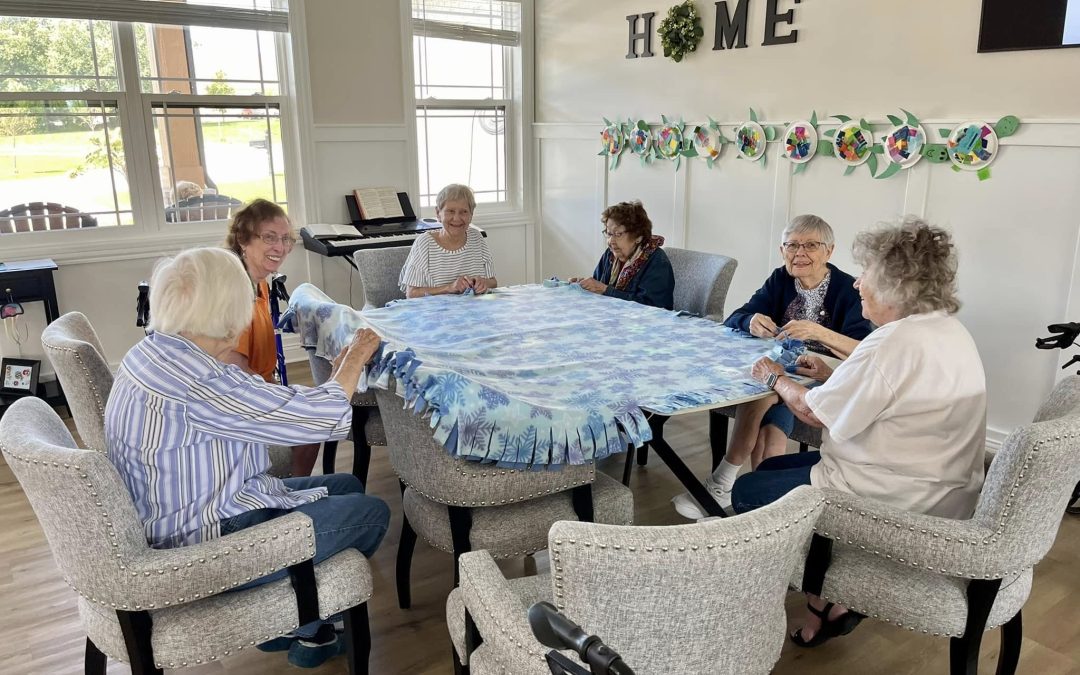
Choosing the right living arrangement for an aging loved one is one of the most important decisions a family can make. While many seniors wish to remain independent, daily tasks and safety concerns often make extra support necessary. That’s where residential assisted living comes in—a warm, home-like environment that blends independence with compassionate care. Unlike large senior housing complexes, a residential assisted living facility offers a smaller, more personal setting where residents can receive help with everyday needs, enjoy meaningful activities, and feel part of a true community. In this guide, we’ll explore what residential assisted living is, how it compares to traditional residential care homes, the services and requirements involved, and how to know if it’s the right choice for your loved one.
What Is Residential Assisted Living?
Residential assisted living (RAL) is a senior living model that blends the comfort of a home with personalized daily support. Unlike large communities, a residential assisted living facility usually serves a smaller group of residents in a home-like setting while offering help with activities of daily living (ADLs)—such as bathing, dressing, grooming, mobility, meals, and medication reminders—plus social engagement and safety monitoring.
Key Benefits of Residential Assisted Living
1. Home-Style Environment with Familiar Routines
Residential assisted living facilities are designed to feel less like institutions and more like home. Seniors enjoy private or semi-private rooms, cozy common spaces, and comforting daily routines that mirror the familiarity of home life. This setting reduces stress and creates a sense of belonging.
2. Smaller Staff-to-Resident Ratios for Personalized Attention
Unlike large senior housing complexes, residential assisted living homes typically have fewer residents. This allows caregivers to truly know each resident—their preferences, habits, and personalities—and provide one-on-one support. Families gain peace of mind knowing their loved one won’t get lost in the shuffle.
3. Balancing Independence with Safety and Dignity
Residents are encouraged to maintain as much independence as possible, with gentle assistance only where it’s needed. This balance helps preserve self-esteem and autonomy while ensuring safety through professional oversight, accessible design, and 24/7 staff availability.
4. Community, Companionship, and Daily Engagement
Loneliness is a serious challenge for many seniors. Residential assisted living fosters meaningful relationships through small-group activities, shared meals, and social events. From games and gardening to music and conversation, residents are engaged in ways that stimulate the mind, body, and spirit—building both joy and purpose into everyday life.
Residential Care Homes vs. Residential Assisted Living
The terms are related, but not always identical.
Residential care homes (also called board-and-care homes or care homes for seniors) are small, home-like residences that provide personal care and supervision.
Residential assisted living facilities are care homes that operate under an assisted living license (terminology varies by state). They follow defined standards for staffing, training, medication assistance, safety, and resident care plans.
In short: All residential assisted living facilities are residential care homes, but not all care homes hold an assisted living license. Licensing determines care scope, oversight, and safety standards.
Quick Comparison Table:
|
Feature |
Residential Care Homes |
Residential Assisted Living |
|
Setting |
Small, home-like environment with limited residents (often 6–16) |
Similar home-style setting but licensed as an assisted living facility |
|
Licensing |
May or may not be licensed, depending on state regulations |
State-licensed with formal requirements for care, staffing, and safety |
|
Care Provided |
Basic personal care (meals, bathing, dressing, medication reminders) |
Personal care plus regulated standards for medication management, care planning, and resident rights |
|
Staff-to-Resident Ratio |
Typically lower ratios due to smaller size |
Also low ratios, but staff often receive additional training per state rules |
|
Services & Activities |
Varies by home; often limited but personalized |
Structured programs, daily activities, safety protocols, and compliance with state-mandated services |
|
Best For |
Seniors who want a cozy, family-like setting with minimal oversight |
Seniors who need the same home-like setting but with added peace of mind from licensed, regulated care |
Who Thrives in a Residential Assisted Living Facility?
Residential assisted living is ideal for older adults who:
- Want a smaller, quieter setting with a family feel
- Need help with daily tasks but don’t require skilled nursing 24/7
- Prefer personalized routines and familiar faces
- Value safety, social connection, and independence in balance
Common situations include mobility changes, mild to moderate memory loss, recovery after hospitalization, or when household tasks (cooking, cleaning, home maintenance) become stressful.
Services Typically Included
While services vary by home and state rules, most residential assisted living facilities offer:
- Personal Care: Bathing, dressing, grooming, continence care, mobility cues
- Medication Assistance: Reminders or administration per state guidelines
- Dining & Nutrition: Home-style, chef-inspired meals; hydration support; special diets upon request
- Housekeeping & Laundry: Light cleaning, linen changes, personal laundry
- Companionship & Activities: Social programs, brain-health games, music, crafts, gentle exercise, faith/community connections
- Safety & Oversight: 24/7 staff presence, fall-prevention practices, emergency response protocols
- Care Coordination: Communication with families and healthcare providers as needed
Residential Assisted Living Requirements (What Families Should Know)
Regulations differ by state, but families can expect a licensed residential assisted living facility to maintain:
- Staffing & Training: Adequate staffing levels; initial and ongoing training in resident care, emergency response, and medication management.
- Resident Assessments & Care Plans: Admission/ongoing assessments to tailor support to each resident’s changing needs.
- Medication Standards: Secure storage, recordkeeping, and assistance per state rules.
- Health & Safety: Fire safety, emergency drills, infection control, and accessible home design features (grab bars, ramps, lighting, clear walkways).
- Rights & Dignity: Resident rights policies, privacy protections, grievance procedures, and transparent communication.
Tip: Ask the provider to explain their licensing status, inspection history, staff training, and how they customize care plans.
Residential Care Homes for Seniors: What to Look For
When touring residential care homes for elderly loved ones, consider:
- Fit & Culture: Does the home feel warm, respectful, and resident-centered?
- Staffing: How many team members are on shift, and what are their qualifications?
- Safety: Are fall-prevention and emergency procedures clear? Is the layout accessible?
- Care Scope: Which ADLs are supported? How is medication handled? What happens if needs change?
- Activities & Engagement: Is there a daily schedule that balances stimulation and rest? Are activities meaningful and optional?
- Dining: Are meals nutritious, flexible, and accommodating of preferences/allergies?
- Family Communication: How often and through which channels will you receive updates?
- Costs & Contracts: What’s included vs. à-la-carte? How are rate changes handled?
Cost Considerations & Ways to Pay
Costs vary by location, room type, and level of care. Fees typically include room/board, meals, utilities, and personal care services. Families often explore:
- Private Pay & Savings
- Long-Term Care Insurance (policy-dependent)
- Veterans’ Benefits (if applicable)
- Life Insurance Conversions or Hybrid Policies (policy-dependent)
- State/Local Programs (eligibility varies)
Action Step: Request a transparent pricing sheet, including care-level increments, deposit/refund policies, and what happens if needs increase over time.
Daily Life in a Residential Assisted Living Facility
Residents typically enjoy:
- Personalized mornings (breakfast preferences, unhurried routines)
- Purposeful activities (gardening, art, music, gentle movement)
- Social time (small-group events, family visits, holiday celebrations)
- Quiet spaces (reading nooks, patios, calming rooms)
- Wellness check-ins (hydration prompts, nutrition support, safety cues)
This rhythm protects independence while reducing isolation and caregiving stress.
How Residential Assisted Living Supports Changing Needs?
One of the greatest advantages of residential assisted living is its ability to adapt as your loved one’s needs evolve. Care isn’t static—each resident is regularly assessed so the team can update their care plan and ensure the right balance of independence and support.
- Mobility Support: If a resident begins to need more help with walking, transferring, or fall prevention, caregivers can step in with added assistance, mobility aids, and safety modifications within the home.
- Memory & Cognitive Support: For seniors experiencing mild memory changes, staff can provide gentle reminders, structured daily routines, and additional supervision to reduce confusion and stress.
- Health & Personal Care: As personal care needs increase—such as bathing, dressing, or continence care—the team can provide more hands-on help while preserving dignity and comfort.
- Wellness Monitoring: Caregivers track nutrition, hydration, sleep, and overall well-being, making adjustments or involving healthcare providers if issues arise.
- Coordination with Professionals: If medical conditions progress beyond what assisted living can manage, the care team works closely with families, physicians, and outside providers (such as home health or hospice) to ensure a smooth transition.
This flexibility is what makes residential assisted living such a valuable choice: families don’t have to constantly move their loved ones as needs change. Instead, seniors can age in place in a familiar, supportive environment while knowing that care will adjust alongside them.
How to Choose the Right Residential Assisted Living Home?
- Clarify Needs: List ADLs, health conditions, preferences, and social goals.
- Shortlist Homes: Look for licensed residential assisted living facilities aligned with your priorities.
- Tour Twice: Visit at different times (morning/activity time) to see routines and staffing.
- Review Care Model: Ask about assessments, care plans, coordination with physicians, and family updates.
- Understand Costs: Request full pricing details, care levels, and contract terms.
- Trust Your Senses: Warmth, respect, and responsiveness matter as much as amenities.
Conclusion
Finding the right care option for your loved one doesn’t have to feel overwhelming. Residential assisted living offers the ideal balance between independence and support—giving seniors the comfort of home, the dignity of personalized care, and the joy of meaningful connection. At Crown Point Assisted Living, we are dedicated to creating a safe, welcoming environment where every resident is valued, engaged, and cared for like family. If you’re exploring senior care options, we invite you to schedule a tour and see firsthand how our residential assisted living community can provide the peace of mind and quality of life your loved one deserves.
Frequently Asked Questions
1. What is residential assisted living?
A home-style senior living option providing daily support, meals, medication assistance, and social engagement for older adults who don’t need 24/7 skilled nursing.
2. What is a residential care home?
A smaller, home-like residence offering personal care and supervision; licensing and services vary by state.
3. Are residential care homes for seniors licensed?
Some are; those operating as assisted living typically hold an assisted living license and follow specific standards.
4. Who is a good fit for residential assisted living?
Seniors who benefit from help with daily tasks, prefer a quieter setting, and value personalized routines.
5. What are typical residential assisted living requirements?
Staff training, safety standards, assessments/care plans, medication procedures, and resident rights policies—details vary by state.
6. What do residential care assisted living provide?
Residential assisted living homes provide a safe, home-like environment where seniors receive personalized support with daily activities such as bathing, dressing, medication management, and meal preparation. They also offer housekeeping, laundry, social activities, and 24/7 staff availability to ensure safety and comfort. The goal is to balance independence with assistance—helping seniors maintain dignity while enjoying companionship and purposeful living in a smaller, family-style setting.
7. How much does residential care for the elderly cost?
The cost of residential care for the elderly varies depending on location, level of care, and services included. On average, families can expect costs to range from $3,000 to $6,000 per month in the U.S. Residential assisted living typically includes room and board, meals, utilities, and personal care services. Additional fees may apply if a resident’s needs increase over time. It’s important to ask for a detailed pricing breakdown and explore payment options such as long-term care insurance, veterans’ benefits, or life insurance conversions.
8. When is it time for a residential assisted living home?
It may be time to consider residential assisted living when daily tasks such as bathing, cooking, or managing medications become difficult or unsafe for a loved one. Other signs include frequent falls, loneliness or isolation, weight loss due to poor nutrition, or caregiver burnout in the family. A residential assisted living home can provide the right balance of independence, safety, and compassionate support—ensuring your loved one has both quality of life and peace of mind.