
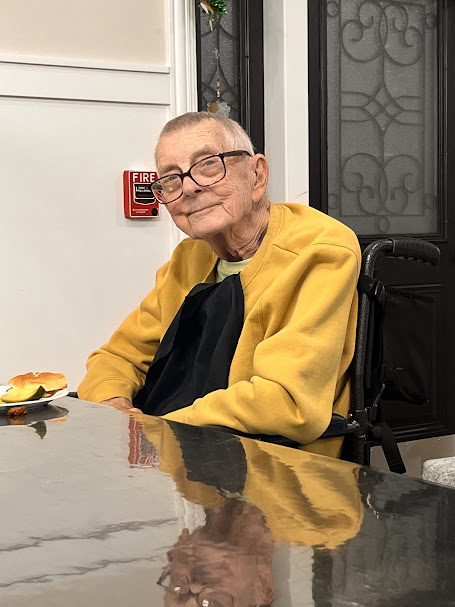
This is one of the most difficult questions a family can face. Not because the answer is complicated — but because it arrives wrapped in grief, guilt, exhaustion, and love all at once.
You've been managing. Adjusting. Finding workarounds. Telling yourself that things are okay, or at least okay enough. And then something happens — a fall, a middle-of-the-night wandering episode, a moment where your parent looks at you and you realize they don't quite know who you are — and the question you've been avoiding suddenly becomes impossible to ignore.
Is it time?
This guide is written to help you answer that question honestly. Not to push you toward a decision, but to give you the clearest possible picture of what the signs actually look like, why families wait longer than they should, what memory care actually provides, and how to navigate both the practical and emotional side of this transition — including the guilt that almost every family carries through it.
IF YOU'RE ASKING THIS QUESTION, WE'RE HERE TO TALK — CALL US TODAY!
First: Understanding What Memory Care Actually Is
Before we talk about timing, it's worth making sure we're talking about the same thing — because "memory care" means something specific, and many families don't fully understand how it differs from standard assisted living until they're already in the middle of a crisis.
Memory care is a specialized level of senior care designed specifically for people living with Alzheimer's disease, dementia, and other forms of cognitive impairment. It isn't simply assisted living with a locked door. It's a fundamentally different care environment built around the unique and progressive needs of someone whose brain is changing.
Key features that distinguish memory care from standard assisted living include:
- Specialized staff training — caregivers are trained specifically in dementia care techniques, including how to manage behavioral symptoms, communicate with someone experiencing cognitive confusion, and de-escalate distress without medication
- Secured environment — memory care communities have secured entrances and exits to prevent wandering, which affects six in ten people living with dementia at some point during their condition
- Structured daily routine — consistent, predictable schedules reduce anxiety and confusion for people with memory conditions, because the brain with dementia functions better when it doesn't have to navigate novelty
- Purpose-built programming — activities in memory care are specifically designed for cognitive engagement at different stages of dementia — not the general activities calendar of a standard assisted living community
- Higher caregiver ratios — because the care needs are more intensive and complex, memory care communities maintain higher levels of staffing
At Crown Point Assisted Living, our memory care program is built around exactly these principles — a home-like, secure environment with trained caregivers, a 1:6 caregiver-to-resident ratio, and programming designed around where each resident actually is in their cognitive journey.
Why Families Wait — and Why That Matters
Research consistently shows that families wait significantly longer than necessary before transitioning a loved one with dementia to memory care. And the reasons are deeply human.
There's guilt — the feeling that moving a parent is a betrayal of a promise, an admission of failure, or evidence of not loving them enough. There's denial — the hope that things will stabilize, that last Tuesday was a bad day and not a new baseline. There's conflict within families — one sibling who sees the parent daily and is exhausted, another who sees them occasionally and insists things "aren't that bad." And underneath all of it, there's grief — the anticipatory mourning of a person who is still physically present but increasingly unreachable.
Approximately 95% of families navigating this transition arrive at the decision in a state of crisis — meaning the move happens reactively, after a fall, a hospitalization, a wandering incident, or a caregiver collapse, rather than proactively, with time and thought. Families who plan ahead consistently report smoother transitions, better outcomes for their loved one, and significantly less emotional trauma for everyone involved.
The signs outlined below are not meant to force a decision. They're meant to help you see clearly — so that if and when you do decide to move forward, it comes from a place of informed love rather than desperate crisis.
9 Signs It May Be Time for Memory Care
Sign 1: Safety Has Become a Daily Concern
This is the most fundamental threshold — and for many families, the one that finally makes the decision undeniable.
Safety concerns in dementia take many forms. Leaving the stove on and forgetting it. Wandering outside — day or night — and being found blocks from home without knowing how to return. Falling repeatedly, sometimes without any memory of the fall afterward. Taking medications incorrectly — double dosing, skipping doses, taking the wrong pills — because the system that tracked it no longer functions reliably.
The Alzheimer's Association warns that six out of every ten people with dementia will wander at some point — often getting lost or confused because they cannot remember where they are or do not recognize their surroundings. Wandering is one of the most dangerous safety risks in dementia, and it is one that no home environment — however carefully arranged — can fully mitigate without around-the-clock supervision.
When you find yourself lying awake at night running through safety scenarios — what if they leave the house, what if they fall, what if they can't call for help — that anxiety is telling you something important. It's telling you that the current situation requires a level of monitoring and response that cannot be sustained.
What memory care provides: Secured environments that allow freedom of movement within a safe perimeter. Caregivers who are present and observant 24 hours a day. Medication management systems that eliminate the risk of dosing errors. Fall prevention protocols built into the physical environment and daily care.
Sign 2: Wandering Has Started — or Escalated
Wandering deserves its own section because it is both extremely common and extremely dangerous — and because it tends to escalate rapidly once it begins.
In the early stages, wandering might look like a parent getting confused about where they are in their own home, or being found in the yard at an unusual hour. As dementia progresses, it can involve leaving the property, walking miles in unfamiliar directions, being found by neighbors or police, or attempting to "go home" to a childhood residence that no longer exists.
Elopement — when a dementia patient wanders away from a safe area — is often the driving factor in moving a senior from standard care to memory care, according to registered nurse and certified dementia practitioner Tina Crissman. "This is a very need-based scenario, as safety and security are of utmost importance."
Once wandering begins, it does not typically stop or reverse. It is a progression marker — a signal that the part of the brain responsible for spatial orientation and judgment about safety has been significantly affected. A single wandering incident that results in the person being found safely does not mean the situation is under control. It means the situation has changed.
What to do: If wandering has begun, treat it as an urgent signal to evaluate the current care environment and have a serious conversation about memory care — ideally before an incident escalates into a medical emergency.
Sign 3: Personal Hygiene and Self-Care Are Declining
If a loved one with dementia isn't brushing their teeth or is wearing mismatched or inappropriate clothing, they may be having cognitive difficulties that could put them in danger. This sign is easy to minimize — "everyone has off days" — but when personal hygiene declines consistently and the person shows no awareness of it, it reflects a significant cognitive shift.
Personal hygiene requires a multi-step sequence of tasks — remembering to do them, knowing what order they go in, recognizing when they're needed, and having the motivation to complete them. As dementia progresses, each of these steps becomes harder to execute independently.
Families often notice: a parent who always took pride in their appearance showing up unwashed or in soiled clothing. Teeth that aren't being brushed. Hair that isn't being combed. Clothing chosen without awareness of weather, occasion, or appropriateness. Personal hygiene concerns that go beyond self-care — adult incontinence that isn't being managed.
Beyond dignity, untreated hygiene issues have direct health consequences — dental infections, skin breakdown, urinary tract infections. These aren't small problems.
What memory care provides: Trained caregivers who assist with all activities of daily living — including bathing, dressing, grooming, and incontinence care — with the dignity and skill that comes from specialized dementia care training.
Sign 4: Behavioral Changes Are Becoming Unsafe or Unmanageable
Dementia doesn't only affect memory. As it progresses, it often profoundly affects personality, emotional regulation, and behavior. What begins as occasional irritability or suspicion can progress into aggression, paranoia, severe anxiety, or what clinicians call "sundowning" — a pattern of increasing agitation and confusion in the late afternoon and evening hours.
These behavioral changes are not the person choosing to be difficult. They are neurological. The parts of the brain that regulate emotion, interpret sensory experience, and manage social behavior are being affected by the disease. But understanding that doesn't make them any easier to manage — especially for a family caregiver without specialized training.
Signs that behavioral symptoms have escalated beyond what home care can safely manage include:
- Physical aggression toward caregivers or family members
- Severe paranoia — believing loved ones are imposters, that they are being held captive, or that their possessions are being stolen
- Extreme agitation that doesn't respond to redirection or comfort
- Nighttime behavioral disturbances that prevent caregivers from sleeping
- Emotional distress so severe that it consistently distresses everyone in the household
When a resident has dementia or Alzheimer's, it's common for physical needs to be missed or mistaken for "challenging" behaviors. These individuals are often struggling to express feelings of frustration or pain. Memory care staff are trained to recognize what's driving behavioral symptoms and respond in ways that standard caregivers — however loving — simply don't have the training to execute.
Sign 5: The Current Care Level Is No Longer Meeting Their Needs
This sign is subtler — and often the one that professional caregivers see more clearly than families do. Often, assisted living staff members notice subtle signs of dementia before families do, because families may prefer to think of their loved ones as they were before the diagnosis.
The question isn't just whether your loved one is physically safe in their current environment. It's whether their cognitive needs are being met — whether the environment, the activities, the social interactions, and the level of care actually match where they are in their disease progression.
A person with moderate to advanced dementia in a standard assisted living community may find the environment overstimulating, the activities inaccessible, and the social dynamics confusing and isolating. Without memory-care-trained staff to guide and support participation, they often withdraw entirely. Staying in an assisted living facility when cognitive needs aren't being met can lead to the resident isolating themselves — and a life of isolation is not a healthy way to live at any age.
If your loved one seems more confused, more withdrawn, or more distressed in their current environment than their diagnosis alone would explain, that environment may no longer be meeting their needs.
Sign 6: Nutrition and Weight Are Declining
Unexplained weight loss in someone with dementia is a serious warning sign that often goes unnoticed until it becomes medically significant.
As dementia progresses, people may forget to eat or forget that they have already eaten. They may lose the ability to use utensils effectively. In a group dining environment without specialized support, they may become overwhelmed or distracted before finishing a meal. Memory care facilities have special dining plans and schedules that reduce distractions and ensure residents get sufficient nutrition — something that standard dining environments typically cannot provide.
Signs to watch for include: clothes fitting differently without explanation, food in the refrigerator that isn't being touched, difficulty using utensils, confusion about when meals are, or eating the same thing repeatedly because they can't remember what they've eaten.
Malnutrition in dementia patients accelerates cognitive and physical decline, increases infection risk, and leads to hospitalizations. It is both a symptom of advancing disease and a driver of further progression.
Sign 7: The Family Caregiver Is Breaking Down
This sign is the one families are most likely to minimize — because to acknowledge it feels selfish. It is not selfish. It is a clinical reality.
There are genuine mental and physical limits to providing around-the-clock care. Family caregivers of people with dementia face some of the highest rates of depression, anxiety, physical illness, and social isolation of any caregiving population. The cognitive and emotional demands of dementia care — the repetition, the behavioral symptoms, the unpredictability, the grief of watching someone you love change — are unlike any other form of caregiving.
When a family caregiver reaches the point of exhaustion, they become a safety risk. Not because they don't care — precisely because they do, and have been giving everything they have for longer than is sustainable. A caregiver who isn't sleeping, isn't eating properly, has withdrawn from their own relationships and health care, and is approaching a breaking point is not providing safe care — regardless of how much love is behind it.
"I needed my mom to be my mom again, and I needed to be her daughter again, but I was her caregiver," one family member shared after transitioning her parent to memory care. This statement captures something that gets lost in caregiving — the relationship. Memory care doesn't end a family relationship. In many ways, it restores it — by relieving the family of the clinical care role so they can return to being the person their loved one knows.
Ask yourself honestly: Have I stopped taking care of my own health? Am I sleeping? Do I have a life outside of caregiving? Would I notice if something changed with my loved one, or am I too depleted to respond clearly?
Sign 8: Frequent Hospitalizations or Medical Crises
Repeated emergency room visits, hospitalizations, or medical crises that keep recurring are often a signal that the current level of daily oversight isn't sufficient to catch health changes before they become emergencies.
People with dementia cannot reliably report symptoms. They may not recognize that they're in pain. They may not register that they haven't been drinking enough water. They may not understand that a wound needs attention. Without daily observation from trained caregivers who know the person's baseline and can detect subtle changes — in appetite, alertness, skin condition, behavior, gait — small problems become large ones before anyone realizes what's happening.
If your loved one is cycling through medical crises — UTIs that become sepsis because no one noticed the early signs, falls that become fractures because the deteriorating gait wasn't caught, dehydration that leads to hospitalization — the system around them is not adequately protecting them.
Sign 9: Your Gut Is Telling You Something Has Changed
This is the sign that doesn't appear in any clinical checklist — but it's often the most reliable one.
You've known this person for decades. You know what they look like when they're okay and what they look like when they aren't. You know what their voice sounds like when they're confused versus when they're just tired. And something is telling you that the version of them you're encountering now requires something more — something different — than what the current situation is providing.
That instinct isn't sentimentality. It isn't panic. It's the accumulated observation of years of love and attention, registering a signal that the conscious mind is still processing. The key is to look for patterns — changes that are becoming more frequent, interfering with daily routines or safety, and appearing to worsen over time.
Trust yourself enough to have the conversation. You don't have to have the answers to start asking the questions.
Addressing the Guilt — Because It Will Come
Nearly every family that transitions a parent to memory care experiences guilt. According to a clinical study published in the National Library of Medicine, nearly half of caregivers reported experiencing guilt related to a loved one's transition into residential care — including guilt sourced from other family members, from the care recipient, and from within themselves.
If you're feeling it, know this: the guilt is a function of how much you love your parent. It is not evidence that you're doing the wrong thing.
Many families reach a point where home care is no longer safe or practical, yet accepting that can be emotionally difficult. Understanding that professional memory care offers constant supervision, meaningful engagement, and trained support can ease the weight of guilt and replace it with reassurance.
A few things that are true and worth holding onto:
1. Moving a parent to memory care is not abandonment. It is a decision to ensure they receive care that exceeds what any family — however devoted — can provide alone. The love that drove years of caregiving is the same love that makes this decision.
2. Your role doesn't end. It changes. When you're no longer the primary caregiver, you can return to being a son or daughter, a husband or wife. You can visit with presence and warmth instead of with an exhausted, worried mind. Many families describe their relationship with their loved one improving after the move — because the relationship can breathe again.
3. The relief you might feel is not a betrayal. If you feel relief — relief that your parent is safe, that you can sleep through the night, that someone else carries the clinical responsibility — that relief is human and healthy. It does not mean you cared less. It means you were carrying more than any one person should carry alone, for longer than most people could.
4. Families who plan ahead feel less guilty. The most distressing transitions are the crisis-driven ones — the ones that happen after a hospitalization, after a wandering incident, after a fall. When families have time to research, visit communities, involve their loved one in the conversation where possible, and move thoughtfully, the guilt is significantly lower. Planning ahead is an act of love, not a premature giving-up.
How to Have the Conversation with Your Loved One
There is no perfect way to have this conversation. But there are better and worse approaches.
Start earlier than you think you need to. The best time to talk about memory care is before a crisis makes the conversation urgent. In early to moderate stages of dementia, many people can still participate meaningfully in decisions about their own care — and respecting that capacity matters.
Lead with love, not logistics. "I'm worried about you, and I want to make sure you're safe and happy" lands differently than "we need to talk about your care situation." Lead with how much you care, not with the decision you need to make.
Focus on what they'll gain, not what they're leaving. People. Daily activities. Meals together. Safety. A team of people looking after them every day. The things that matter to your loved one's daily experience are more persuasive than abstract assurances.
Don't go alone. Bring a sibling, a close family friend, or involve the physician. A doctor's clinical recommendation can carry weight that family conversation alone doesn't — and it can take the "blame" off of you when a parent is resistant.
Accept that it may not go smoothly. Resistance is common. Anger is common. Grief is common — on both sides. This doesn't mean you did it wrong. It means you're navigating one of the hardest conversations a family can have, and imperfect is okay.
What to Look for in a Memory Care Community
Not all memory care programs are the same. When evaluating communities, look beyond the brochure and ask specific questions:
1. About staffing:
- What is your caregiver-to-resident ratio in memory care, day and night?
- What specific dementia care training do your caregivers receive?
- How long has the memory care team been in place?
- What is staff turnover like?
2. About the environment:
- Is the space secure but not institutional? Does it feel like a home?
- What does a typical day look like for a resident at my loved one's stage?
- How are behavioral symptoms — agitation, sundowning, wandering — handled?
3. About family involvement:
- How and how often will you communicate with us about changes?
- How do you incorporate residents' personal histories and preferences into care?
- Can we visit at any time? What does visiting look like?
4. About care philosophy:
- How do you approach dignity and independence at different stages of dementia?
- What happens if my loved one's needs advance beyond what memory care can provide?
- How do you handle end-of-life conversations and planning?
The answers to these questions — not the renovation quality of the lobby — will tell you whether a community genuinely understands dementia care or is simply offering it as a service line.
How Crown Point Assisted Living Supports Families Through This
At Crown Point Assisted Living, we understand that by the time a family calls us, they've usually been through months or years of caregiving, worry, and difficult conversations. We don't approach that with a sales pitch. We approach it with honesty and care.
Our memory care program is built around the home-like environment that we believe produces the best outcomes for people with dementia — familiar, calm, consistent, and human. Our caregivers maintain a 1:6 ratio, work with the same small group of residents every day, and are trained specifically to support people at different stages of cognitive decline with the dignity and skill that specialized care requires.
We also offer respite care and adult day care for families who aren't yet ready for full-time memory care — giving caregivers meaningful relief while their loved one spends structured, safe, engaging time with our team. Many families use these options as a bridge — and as a way for their loved one to become familiar with our community gradually, making a potential future transition much easier.
If you've read through this article and recognized your situation — if you're asking yourself whether the time is right — the best next step is a conversation and a visit. See the space. Meet the team. Ask every question on your mind. We're here to help you make the decision that's right for your family, whatever that turns out to be.
There is no pressure. There is no wrong question. There is only the decision in front of you — and we'd be honored to help you think it through.
Frequently Asked Questions
1. What is the difference between assisted living and memory care?
Assisted living provides support with daily activities like bathing, dressing, meals, and medication reminders for seniors who need help but can still function with moderate independence. Memory care is a specialized level of care within a secured environment for people living with Alzheimer's, dementia, or other cognitive impairments. Memory care features staff trained specifically in dementia care techniques, structured routines designed for cognitive health, higher caregiver ratios, and secured spaces to prevent dangerous wandering. Learn more about our memory care program.
2. When is it too early to consider memory care?
There is no "too early" when it comes to exploring memory care — understanding your options, touring communities, and having conversations with your loved one costs nothing and reduces stress when the time does come. In terms of actual transition, most families benefit from moving before a crisis rather than after one. If your loved one's safety is becoming a daily concern, if behavioral symptoms are escalating, or if caregiver capacity is depleting, exploring memory care proactively is appropriate and wise.
3. How do I know if my parent needs memory care vs. standard assisted living?
The key factors are safety risk, behavioral complexity, and the degree to which cognitive needs can be met in a standard setting. If your loved one is at risk from wandering, has behavioral symptoms that require specialized management, needs a higher level of structure and supervision than standard assisted living provides, or is becoming isolated because the environment doesn't match their cognitive needs, memory care is likely the more appropriate level of care.
4. Can my parent still receive visitors in memory care?
Yes. Visitor policies vary by community, but memory care residents absolutely receive family visits. In fact, regular visits from familiar faces are considered clinically beneficial — they provide emotional grounding, reduce agitation, and support the resident's sense of identity and connection. At Crown Point Assisted Living, family involvement is welcomed and encouraged as a key part of care.
5. What happens if my parent refuses to move to memory care?
Resistance is common, especially in moderate dementia where the person has enough awareness to resist change but not enough insight to fully understand their safety risks. Strategies that help include involving the physician (whose recommendation often carries more weight), framing the move around benefits rather than limitations, visiting the community together before committing, and — in later stages where safety is critical — accepting that some decisions must be made on behalf of someone who can no longer safely make them alone. An elder law attorney can advise on legal frameworks like power of attorney that may be relevant.
6. Will moving my parent make their dementia worse?
Transitions can cause temporary increases in confusion or agitation in people with dementia — this is normal and expected, and typically resolves as the person adjusts to their new environment and routine. Research does not support the idea that a well-managed transition to appropriate memory care accelerates cognitive decline. In fact, the improved safety, nutrition, social engagement, and specialized programming of a quality memory care environment are associated with better quality of life outcomes than continued care in an environment that can't adequately meet the person's needs.
7. How long do people typically live after moving to memory care?
This varies significantly based on the individual's age, the type and stage of dementia, and other health conditions. Dementia is a progressive condition, and its trajectory is different for every person. Families are best served by focusing not on life expectancy but on quality of life — ensuring their loved one has the best possible daily experience, the most appropriate care, and the dignity and comfort that every person deserves at every stage.
8. How do I choose the right memory care community?
Look beyond the amenities and focus on staffing — the ratio, the training, and the consistency. Observe how staff interact with residents during your visit. Ask specific questions about how behavioral symptoms are managed. Pay attention to how the environment feels — whether it's calm and home-like or busy and institutional. And trust your instincts. The community where you can imagine your loved one being known, cared for, and genuinely safe is the right one. We'd love the opportunity to show you what that looks like at Crown Point Assisted Living. Contact us to schedule a visit.
9. How do I handle siblings who disagree about whether it's time?
Family disagreement about memory care decisions is extremely common — particularly when one sibling is the primary caregiver with daily visibility and others see the parent occasionally. Strategies that help include: keeping a written journal of specific incidents and changes that can be shared with family members who aren't present daily, involving the physician in a family conversation where clinical information is presented neutrally, and focusing family discussions on the parent's safety and quality of life rather than on what each person feels capable of doing. A social worker or geriatric care manager can also facilitate family conversations when disagreements run deep.
10. What does memory care cost, and how is it typically paid for?
Memory care generally costs more than standard assisted living due to the higher staffing ratios and specialized programming required. Costs vary by community, location, and the level of care needed. Common payment sources include personal savings, long-term care insurance, veterans' benefits (Aid and Attendance for eligible Indiana veterans), and certain Medicaid waiver programs for qualifying residents. We encourage families to have an open conversation with us about costs and to explore our article on using life insurance to pay for assisted living and other financial planning resources on our blog.